
This article is part of our Global Sustainability Case Studies series, which highlights how different regions manage construction waste, recycling systems, and large-scale cleanup practices in the building industry.
Managing Timelines for Construction Waste Removal
Introduction
Every construction project—whether small renovations or large developments—generates waste. Managing the removal of that waste isn’t just about keeping the site clean; it’s about keeping your project on schedule, reducing costs, and ensuring compliance. When waste piles up, it can lead to project delays, safety risks, and even legal penalties. That’s why managing timelines for construction waste removal is crucial for every contractor.
Understanding Construction Waste Removal
What is Construction Waste?
Construction waste includes materials discarded during building, renovation, or demolition. These can range from concrete, bricks, metal, and wood to packaging materials and hazardous substances.
Common Types of Construction Debris
Typical categories include inert materials (like sand or gravel), recyclables (metal, cardboard, plastic), and hazardous waste (paint, asbestos, chemicals). Proper identification helps in efficient scheduling and disposal.
Why Timeline Management Matters in Waste Removal
Impact on Project Deadlines
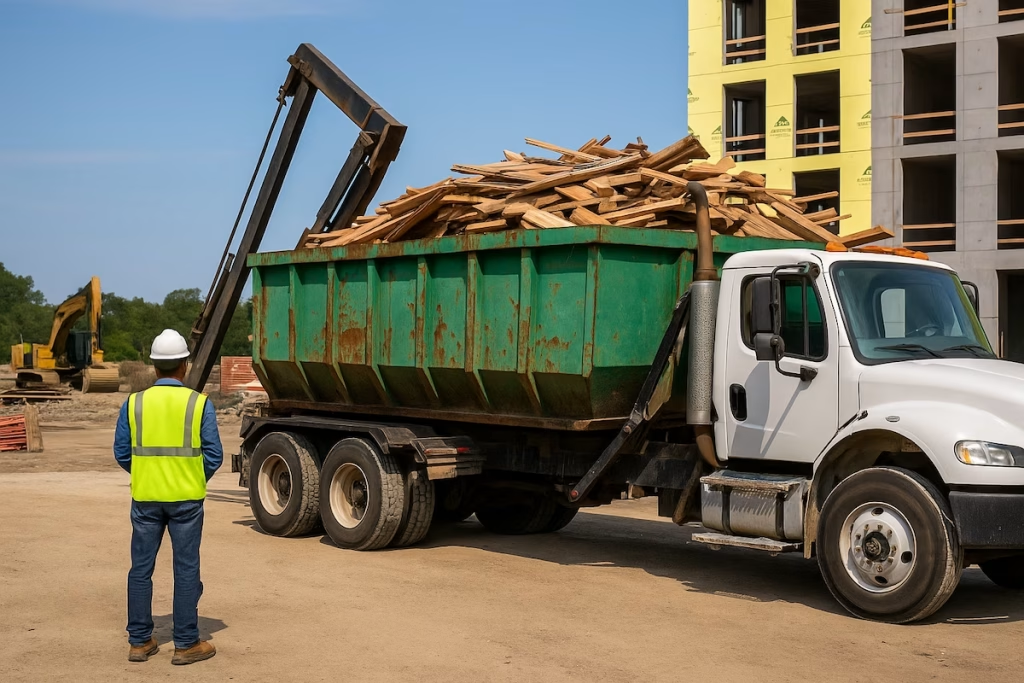
When waste isn’t removed on time, it physically blocks work areas, delays new deliveries, and slows down progress. A cluttered site can turn into a logistical nightmare for project managers.
Cost Implications of Poor Waste Scheduling
Delays often mean extended equipment rentals and labor costs. Improperly managed waste can even lead to fines from local authorities. A smart waste removal plan prevents these unnecessary expenses.
Environmental and Safety Considerations
Waste that lingers too long poses safety risks—trip hazards, toxic exposure, or fire dangers. Efficient removal timelines ensure a cleaner, safer, and greener construction site.
The Key Stages of Construction Waste Removal Timeline
Stage 1 – Pre-Project Planning
Estimating Waste Volume and Type
Before breaking ground, estimate how much waste your project will generate. Use data from previous projects or consult with your disposal partner for accurate predictions.
Selecting a Reliable Waste Disposal Partner
Work only with licensed waste contractors who understand project-based scheduling. A dependable partner ensures timely pickups and compliance with local regulations.
Stage 2 – Waste Segregation During Construction
On-Site Waste Sorting Techniques
Separate waste by type—wood, metal, concrete, and recyclables. Clear labeling and dedicated bins make sorting faster and more efficient.
Scheduling Regular Pickups and Drop-Offs
Plan waste pickups according to construction phases. For example, demolition waste should be removed early, while finishing material waste can be scheduled later.
Stage 3 – Post-Project Cleanup and Final Disposal
Recycling and Disposal Compliance
Before final handover, ensure all waste is sorted and sent to appropriate facilities. Many materials can be reused or recycled instead of going to landfill.
Documentation and Reporting
Keep records of waste volumes, disposal sites, and recycling rates. Proper documentation is essential for audits and environmental compliance.
Tools and Techniques for Effective Timeline Management
Using Waste Management Software
Modern construction management platforms allow tracking waste removal schedules, contractor performance, and pickup frequency.
Implementing Gantt Charts and Scheduling Tools
Visual tools like Gantt charts help map out waste removal tasks alongside project activities to avoid overlaps and conflicts.
Coordinating with Contractors and Haulers
Communication between site supervisors and haulers prevents missed pickups. Establish a simple communication protocol—such as weekly check-ins or WhatsApp updates.
Common Challenges in Managing Waste Removal Timelines
Delays in Waste Collection Services
Sometimes haulers face logistical delays. Always have backup providers or additional bins to prevent bottlenecks.
Miscommunication Among Site Teams
Different teams may assume others are handling waste. Define roles clearly so everyone knows who is responsible.
Inaccurate Waste Volume Estimation
Underestimating waste can lead to bin overflow, extra charges, and schedule disruptions. Better to overestimate than be caught unprepared.
Best Practices to Stay on Schedule
Conduct Regular Site Inspections
Frequent checks help ensure bins are not overflowing and that pickups happen as planned.
Create a Waste Removal Checklist
Keep track of all tasks—from bin placement to final recycling receipts—to avoid missing key steps.
Coordinate Waste Pickup with Project Milestones
Align bin removal with project stages—such as post-demolition, pre-finishing, and handover—to keep everything in sync.
Role of RORO Bins in Time Efficiency
Benefits of Using RORO Bins
Roll-on-roll-off (RORO) bins save time due to their large capacity and easy transport. They are ideal for high-volume construction sites.
How to Schedule Drop-Offs and Pickups Efficiently
Book RORO bins in advance. Have one ready before demolition and schedule the next immediately after removal to avoid downtime.
Environmental Responsibility in Waste Timeline Planning
Prioritizing Recycling and Reuse
Incorporate recycling into your timeline. Set clear deadlines for sorting recyclable waste before it’s collected.
Reducing Landfill Dependence
Partner with recycling centers to reduce landfill use and promote sustainability.
The Contractor’s Perspective: Saving Time and Money
Minimizing Downtime Due to Waste Overflow
An overflowing bin halts workflow and creates hazards. Timely removal ensures uninterrupted progress. For a deeper understanding of how contractors can improve efficiency across every stage of a project, see our full guide on Contractor Workflow & Project Efficiency.
Improving Workflow and Team Productivity
When waste removal runs smoothly, workers can focus on building rather than cleaning up messes.
Conclusion
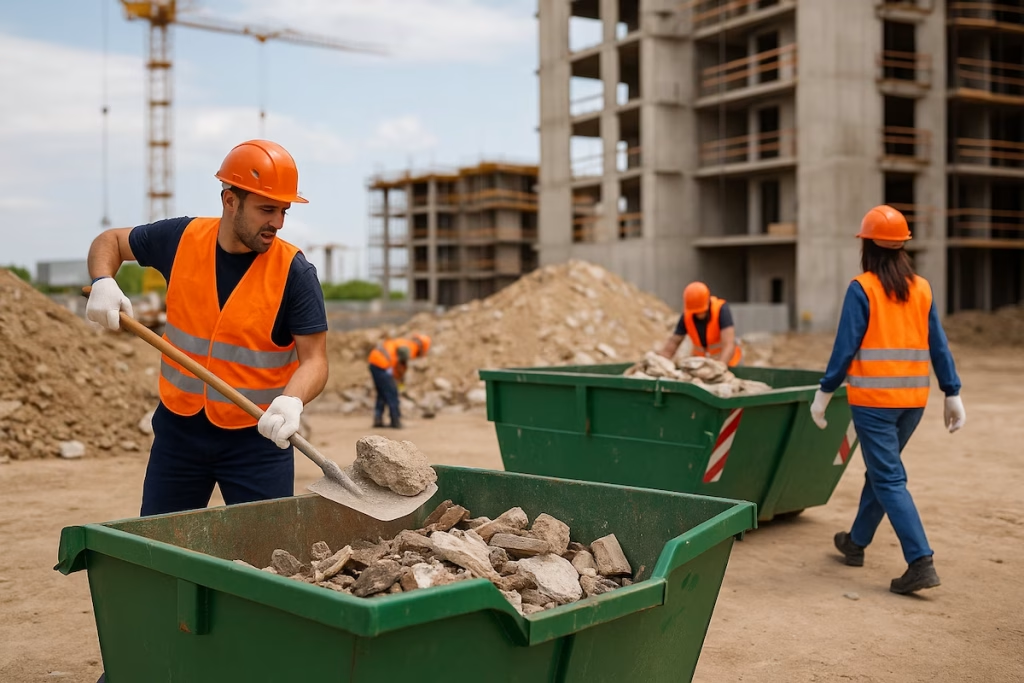
Managing timelines for construction waste removal is not just about cleanliness—it’s about control, efficiency, and professionalism. A well-structured plan keeps your project on time, reduces costs, improves safety, and supports environmental responsibility. With proper scheduling, coordination, and tools, you can turn waste management from a challenge into a competitive advantage.
FAQs
Project size, type of materials, contractor coordination, and bin availability all impact waste removal scheduling.
Plan pickups in advance, maintain communication with haulers, and have backup disposal options ready.
Yes, recycling should be integrated into the waste removal process to minimize environmental impact.
For active construction sites, bins should be cleared weekly or whenever they reach 75% capacity.
Absolutely—efficient scheduling cuts down on delays, labor hours, and potential penalties, saving money in the long run.