
This article is part of our Global Sustainability Case Studies series, which highlights how different regions manage construction waste, recycling systems, and large-scale cleanup practices in the building industry.
Communication Between Contractors & Waste Partners
Introduction
In every construction project, communication is the backbone of smooth operations. When it comes to handling waste, the connection between contractors and waste partners determines whether a project runs efficiently—or falls behind schedule. Miscommunication can lead to overflowing bins, project delays, and even safety violations. In this article, we’ll explore why communication matters, the common pitfalls, and the best ways to build a seamless working relationship between contractors and waste management partners.
Why Communication Is Critical in Construction Waste Management
Construction sites generate tons of waste daily. Without proper coordination between contractors and waste partners, materials pile up, schedules slip, and costs soar. Effective communication ensures waste is handled promptly, safely, and in compliance with local regulations.
For a deeper understanding of how communication fits into the bigger picture of project coordination, you can also read our guide on Contractor Workflow & Project Efficiency.
Understanding the Relationship Between Contractors and Waste Partners
The Role of Contractors in Waste Handling
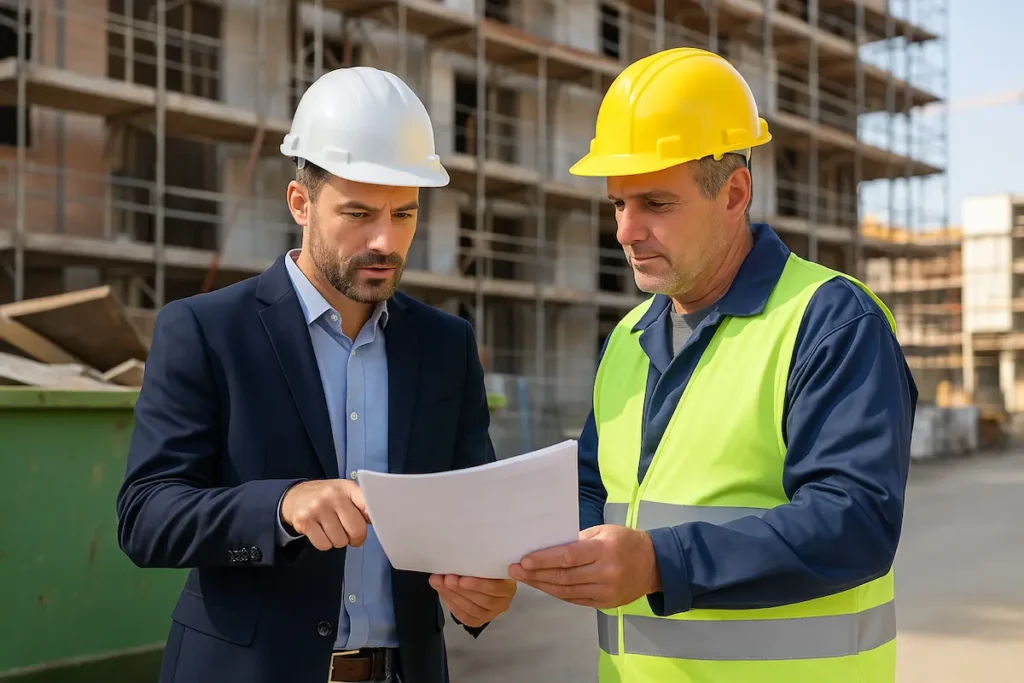
Contractors are responsible for planning and managing on-site operations, including waste removal. They decide when and how waste should be cleared, and coordinate disposal schedules based on project stages.
The Role of Waste Management Partners
Waste partners provide the bins, trucks, and disposal services needed to keep construction sites clean. Their efficiency depends heavily on how well they understand the project’s requirements and timeline.
Common Communication Gaps in Construction Waste Management
Misaligned Project Timelines
If contractors don’t update waste partners about project delays or accelerations, bins might arrive too early—or too late. This disrupts workflow and site cleanliness.
Lack of Clear Waste Disposal Instructions
Sometimes, waste partners aren’t informed about specific materials that require special handling, like hazardous waste or recyclables. This leads to improper disposal or fines.
Poor Documentation and Reporting
Missing reports or unclear data can cause confusion about the volume and type of waste collected, complicating invoicing and compliance.
Inconsistent Feedback Loops
Without regular updates, both sides may repeat the same mistakes, reducing efficiency and trust.
Key Benefits of Effective Communication
Streamlined Operations
Clear communication ensures that bins are delivered, filled, and replaced on time—keeping projects running smoothly.
Reduced Costs and Delays
When contractors and waste partners share accurate information, resources are used efficiently, avoiding unnecessary costs.
Enhanced Safety and Compliance
Proper coordination helps meet safety standards and environmental laws, reducing the risk of penalties.
Improved Environmental Responsibility
Transparent waste tracking promotes recycling and sustainable disposal practices.
Best Practices for Effective Communication Between Contractors & Waste Partners
Set Clear Expectations from the Start
Both parties should outline roles, responsibilities, and key contact persons before the project begins.
Define Waste Types, Volume, and Collection Frequency
Provide clear estimates of waste types (concrete, metal, wood) and how often bins should be collected or replaced.
Establish Communication Channels and Response Time
Decide how updates will be shared—through WhatsApp, email, or management software—and set expected response times.
Use Technology for Real-Time Coordination
Digital Waste Tracking and Reporting Systems
Modern tools allow both parties to monitor bin levels, collection status, and disposal certificates instantly.
Shared Project Management Platforms
Platforms like Trello, Asana, or Google Sheets can centralize communication, ensuring everyone is on the same page.
Schedule Regular Check-Ins and Site Visits
Weekly Coordination Meetings
Short weekly meetings keep everyone updated on project progress, waste volumes, and schedule changes.
Joint Site Assessments
Regular visits by waste partners help identify issues early, such as overflowing bins or blocked access routes.
Document Everything Clearly
Waste Collection Logs and Invoices
Every pickup or delivery should be recorded with signatures or timestamps for accountability.
Disposal Certificates and Recycling Reports
These documents ensure compliance with environmental laws and give contractors evidence of responsible waste handling.
How to Handle Communication Breakdowns
Identify the Root Cause Quickly
Determine whether the issue stems from unclear instructions, timing errors, or poor data sharing.
Maintain Professionalism and Transparency
Avoid finger-pointing. Instead, focus on finding solutions together.
Adjust Processes and Improve Protocols
Use each breakdown as a lesson to refine communication processes moving forward.
Tools and Channels for Smooth Communication
WhatsApp & Messaging Apps
Quick updates and photo sharing make these apps ideal for on-site communication.
Cloud-Based Waste Management Software
Tools like RecycleSmart or Waste Logics automate tracking and improve visibility.
Shared Google Drive or Spreadsheet
These simple tools keep documents accessible and prevent version confusion.
Case Study: How Clear Communication Saved a Project

The Problem: Overfilled RORO Bins and Delays
A contractor in Kuala Lumpur faced repeated site delays because bins were not being replaced on time.
The Solution: Weekly Coordination and Clear Scheduling
By implementing weekly updates and setting bin replacement alerts, the waste partner could plan routes efficiently.
The Outcome: Timely Completion and Cost Savings
The project finished on schedule, with a 15% reduction in waste handling costs.
Building Long-Term Relationships with Waste Partners
Consistency in Communication Builds Trust
When contractors communicate regularly and openly, it strengthens reliability and teamwork.
Reward Reliable Partners
Recognize consistent service with long-term contracts or incentives.
Encourage Continuous Improvement
Share performance feedback and collaborate on new sustainability initiatives.
Conclusion
Strong communication between contractors and waste partners is the foundation of efficient, eco-friendly, and compliant construction waste management. When both sides understand their roles, share timely updates, and use digital tools effectively, they minimize waste, reduce costs, and enhance project success. Good communication doesn’t just make things easier—it builds lasting partnerships that benefit everyone involved.
FAQs
Because it ensures timely waste collection, reduces delays, and maintains safety and compliance standards.
Apps like WhatsApp, Google Sheets, and waste management platforms such as Waste Logics streamline coordination.
By setting clear expectations, holding regular check-ins, and documenting every transaction.
It can lead to overflowing bins, site delays, and additional costs—so quick issue resolution is vital.
Through consistency, transparency, and mutual feedback to improve operations and sustainability goals.