
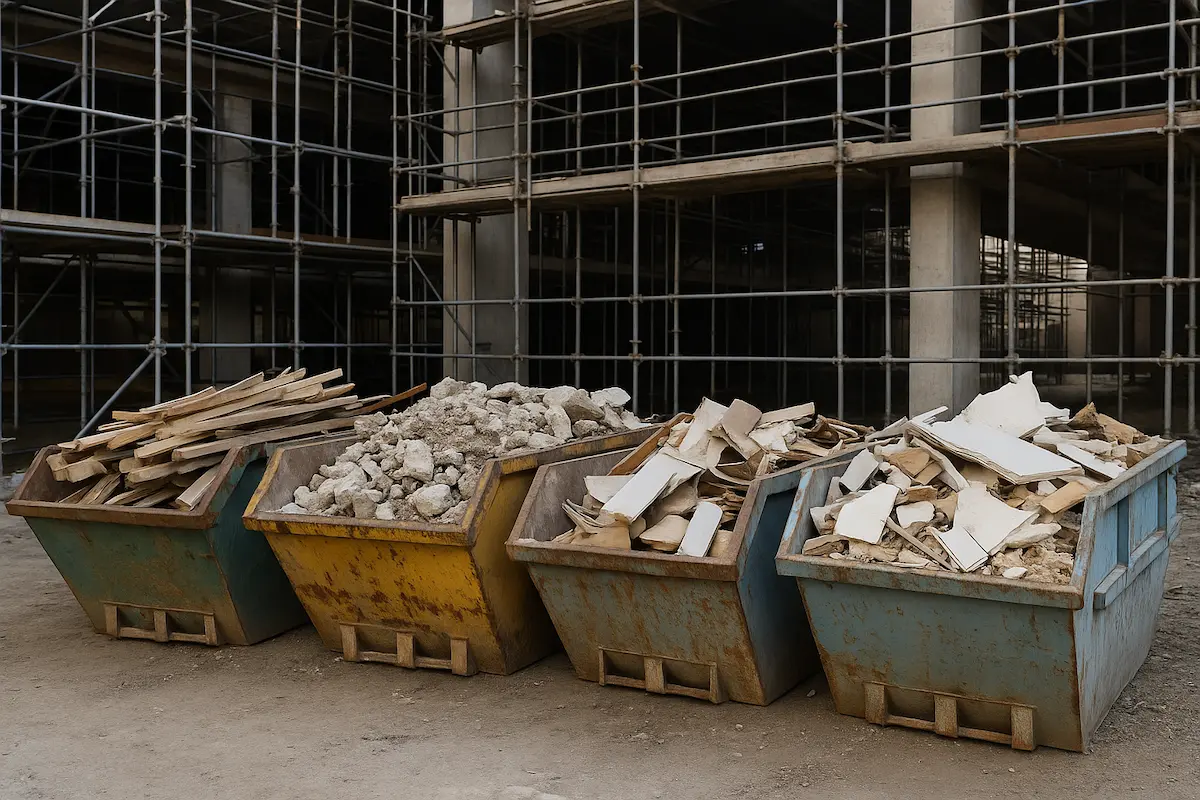
This article is part of our Global Sustainability Case Studies series, which highlights how different regions manage construction waste, recycling systems, and large-scale cleanup practices in the building industry.
Contractor’s Guide to Recycling Construction Debris
Introduction – Why Recycling Matters in Construction
Construction is one of the biggest contributors to global waste. Every project, whether small-scale renovation or large infrastructure development, generates tons of debris. Recycling construction materials isn’t just about saving the planet—it’s about cutting costs, improving efficiency, and staying compliant with regulations.
The Growing Problem of Construction Waste
According to environmental reports, construction and demolition waste make up nearly 30% of total solid waste worldwide. Without proper management, this waste often ends up in landfills, taking up valuable space and releasing harmful emissions.
How Recycling Helps Contractors and the Environment
Recycling construction debris turns waste into resources. By reusing or processing materials, contractors save money on raw materials, reduce transportation costs, and help minimize carbon footprints. It’s a win-win situation for both business and the environment.
Understanding Construction Debris
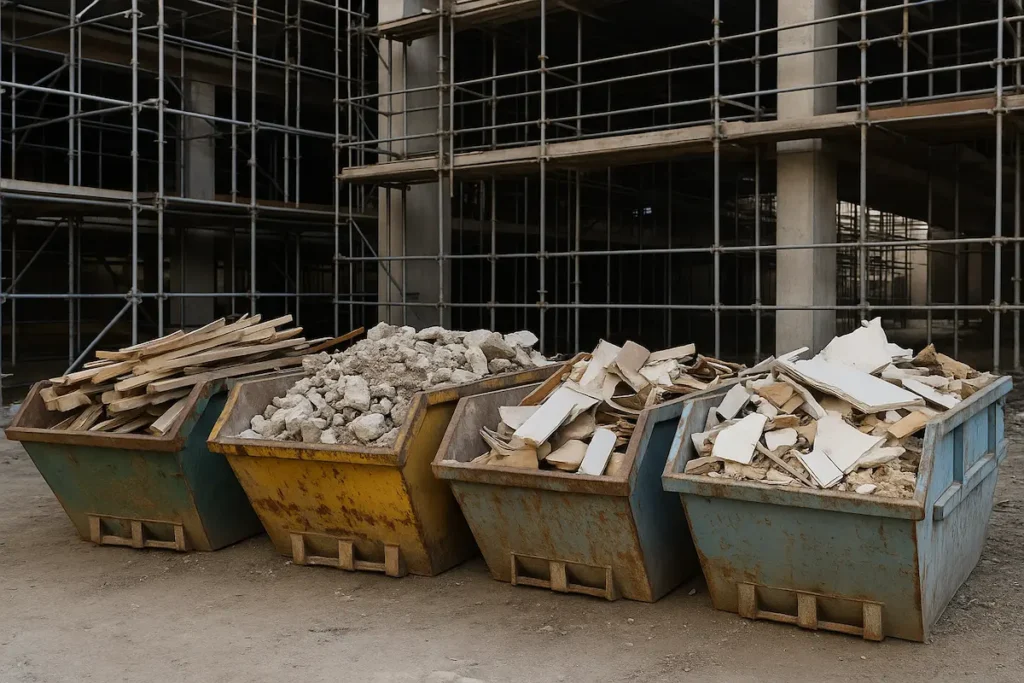
To learn more about how waste is handled specifically within the local industry, check out our complete guide on Construction Waste Management in Malaysia.
Common Types of Construction Waste
Not all debris is created equal. Understanding the types of waste helps contractors manage recycling better.
Concrete and Masonry Debris
Concrete, bricks, and tiles can be crushed and reused as aggregate for roadbeds or foundations.
Wood, Metal, and Plastic Waste
Timber can be repurposed for scaffolding, furniture, or biomass fuel. Metals like steel and aluminum can be melted and reformed. Plastics can be reprocessed into new construction materials.
Hazardous and Non-Hazardous Materials
Certain materials, such as asbestos, paint cans, or solvents, need special handling and disposal. Never mix them with general recyclables.
Classifying Recyclable vs Non-Recyclable Materials
Sorting starts with understanding what’s recyclable. For example, untreated wood and metal are recyclable, while contaminated insulation or glued materials may not be.
Benefits of Recycling Construction Debris
Cost Savings Through Material Reuse
Recycling reduces the need to purchase new materials, saving money. Reused bricks or concrete aggregates are cheaper and just as effective.
Reduced Disposal Fees and Environmental Footprint
Less waste going to landfills means lower disposal fees. You also reduce your project’s carbon emissions.
Enhanced Contractor Reputation and Compliance
Clients today prefer eco-conscious builders. Recycling practices enhance your company’s image and align you with government sustainability goals.
Step-by-Step Guide to Recycling Construction Debris
Step 1: Conduct a Site Waste Audit
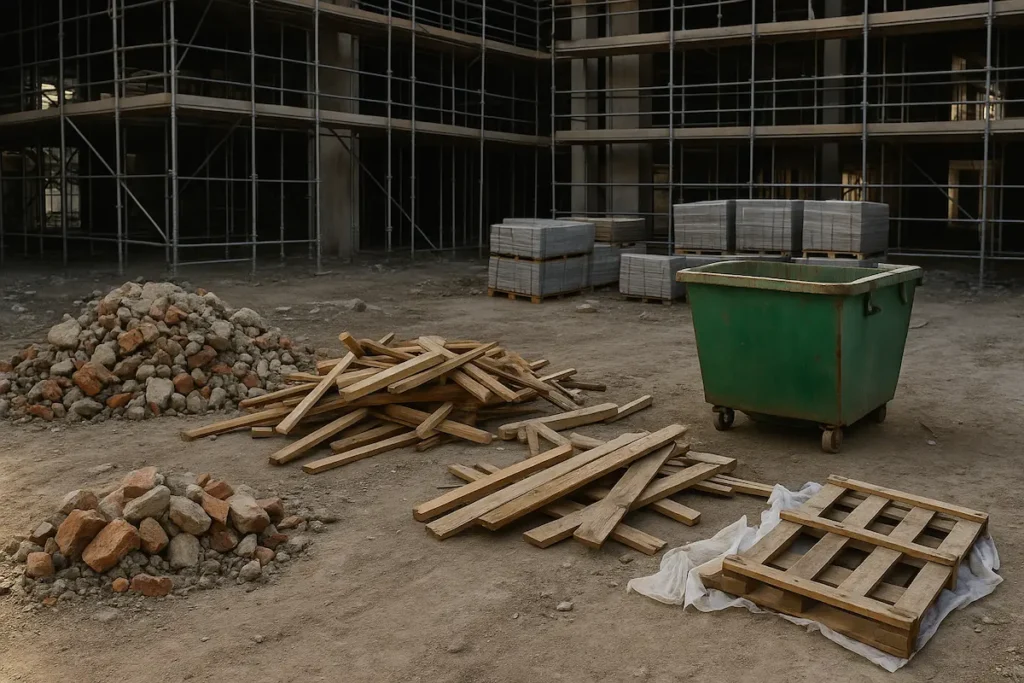
Before you start, assess what types and volumes of waste your project will generate.
Step 2: Create a Waste Management Plan (WMP)
A WMP outlines how materials will be collected, sorted, stored, and disposed of.
Step 3: Sort and Segregate Materials On-Site
Use labeled bins or zones to separate metals, wood, and mixed debris.
Step 4: Choose the Right Recycling Partner
Work with licensed recyclers who can handle your waste responsibly and issue proper documentation.
Step 5: Track, Report, and Optimize
Keep records of waste quantities and recycling rates. Use data to improve efficiency in future projects.
Essential Tools and Equipment for Recycling
On-Site Recycling Containers and RORO Bins
RORO bins (Roll-on/Roll-off) are essential for storing bulk waste safely.
Portable Crushers and Screening Machines
These machines help crush concrete and separate aggregates for reuse.
Material Handling and Sorting Tools
Wheel loaders, forklifts, and conveyors streamline the recycling process.
Partnering with a Recycling Company
What to Look for in a Waste Disposal Partner
Choose a company with proper licenses, transparent pricing, and proven track records.
Questions to Ask Before Hiring a Recycler
Ask about recycling rates, accepted materials, and pickup schedules.
Local Options for Contractors in Malaysia
Many local firms now offer construction waste recycling—especially in Kuala Lumpur, Selangor, and Penang.
Compliance and Legal Requirements
Environmental Regulations for Construction Waste
Contractors must follow Department of Environment (DOE) Malaysia guidelines on waste disposal and recycling.
Permits and Documentation Needed
Always maintain recycling receipts and manifests as proof of compliance.
Penalties for Non-Compliance
Illegal dumping or mishandling of waste can result in hefty fines or blacklisting.
Smart Strategies to Reduce Waste Before It Starts
Plan Efficient Material Use
Order materials based on accurate project estimates to minimize leftovers.
Order the Right Amount of Supplies
Avoid over-purchasing—waste often starts from poor planning.
Encourage On-Site Reuse and Upcycling
Reuse timber for formwork or repurpose old materials for temporary site facilities.
Real-World Examples of Construction Waste Recycling
Case Study: Reusing Concrete and Bricks
Crushed concrete was reused for road base in a housing project, saving 20% of material costs.
Case Study: Timber Reclamation Projects
Old wooden beams were refurbished into furniture, reducing waste by 15%.
How Local Builders in Malaysia are Adapting
Many Malaysian contractors are integrating waste recycling into their tender proposals for competitive advantage.
Challenges in Recycling Construction Waste
Limited Facilities and Logistics
Not all areas have recycling plants nearby, increasing transport costs.
Contamination and Sorting Errors
Improper sorting can make recyclables unusable.
Lack of Training Among Workers
On-site workers need proper education on waste segregation.
Future Trends in Construction Recycling
Technology Innovations in Waste Sorting
AI-based sorting systems can identify and separate materials more efficiently.
Green Building Certifications and Circular Economy
Recycling helps achieve LEED or Green Building Index (GBI) certifications.
How AI and Smart Bins Are Changing the Industry
Smart bins with sensors track fill levels and sorting accuracy automatically.
Conclusion – Building a Sustainable Future
Recycling construction debris is more than a responsibility—it’s a business advantage. By adopting structured waste management, using RORO bins, and working with the right partners, contractors can reduce costs, meet regulations, and protect the planet. Sustainable construction is the way forward for every smart builder.
FAQs
Concrete, wood, metal, glass, bricks, and plastics can often be recycled.
By reusing materials and reducing landfill disposal fees, contractors lower project expenses.
While not mandatory nationwide, many municipalities encourage or require recycling for large projects.
Use color-coded bins and train workers on proper segregation methods.
Search for DOE-licensed waste contractors or ask local councils for approved recycling partners.