
This article is part of our Global Sustainability Case Studies series, which highlights how different regions manage construction waste, recycling systems, and large-scale cleanup practices in the building industry.
Daily Site Cleanup Routines That Improve Efficiency
Introduction: Why Daily Cleanup Matters in Construction
A clean construction site isn’t just about appearances—it’s about safety, efficiency, and professionalism. Daily cleanup routines ensure smoother workflow, minimize hazards, and keep your project on schedule. When every worker knows their role in maintaining site cleanliness, your productivity naturally rises. For a deeper understanding of how cleanup supports broader operational systems, explore our guide on contractor workflow and project efficiency.
The Impact of Site Cleanliness on Productivity
Reducing Downtime and Delays
Nothing slows a project faster than tripping over debris or searching for lost tools. A clean site eliminates unnecessary downtime, allowing workers to focus on the job at hand without interruptions.
Boosting Worker Morale and Safety
A tidy environment signals respect and professionalism. Workers feel more confident and motivated when operating in organized conditions. Plus, fewer hazards mean fewer accidents.
Enhancing Overall Project Quality
When materials and tools are properly stored, damages are reduced, and tasks are completed more precisely. A well-managed site reflects positively on the contractor’s reputation.
Common Problems on Messy Construction Sites
Misplaced Tools and Materials
Disorganization wastes valuable time. Workers spend minutes—sometimes hours—hunting for misplaced tools or parts. Multiply that across days and your project costs rise.
Increased Risk of Accidents
Slips, trips, and falls are common in cluttered work zones. Dust, debris, and uneven surfaces create danger zones that could easily be avoided with regular cleanup.
Poor Waste Management Practices
Improper waste segregation leads to environmental issues, extra disposal costs, and even fines for non-compliance with local waste laws.
Setting Up a Daily Cleanup Plan
Define Cleanup Zones
Divide your site into clear zones—storage area, material drop-off, active work zones, and waste collection points. Assign teams to each zone.
Assign Responsibilities to Each Worker or Team
Every worker should know their cleanup duties. Whether it’s sweeping, collecting debris, or organizing tools, clear roles prevent confusion.
Create a Cleanup Schedule
Integrate cleanup sessions into daily routines—morning preparation, mid-day touch-ups, and end-of-day cleanup. Consistency builds discipline.
Essential Tools and Equipment for Efficient Site Cleanup
Heavy-Duty Brooms and Shovels
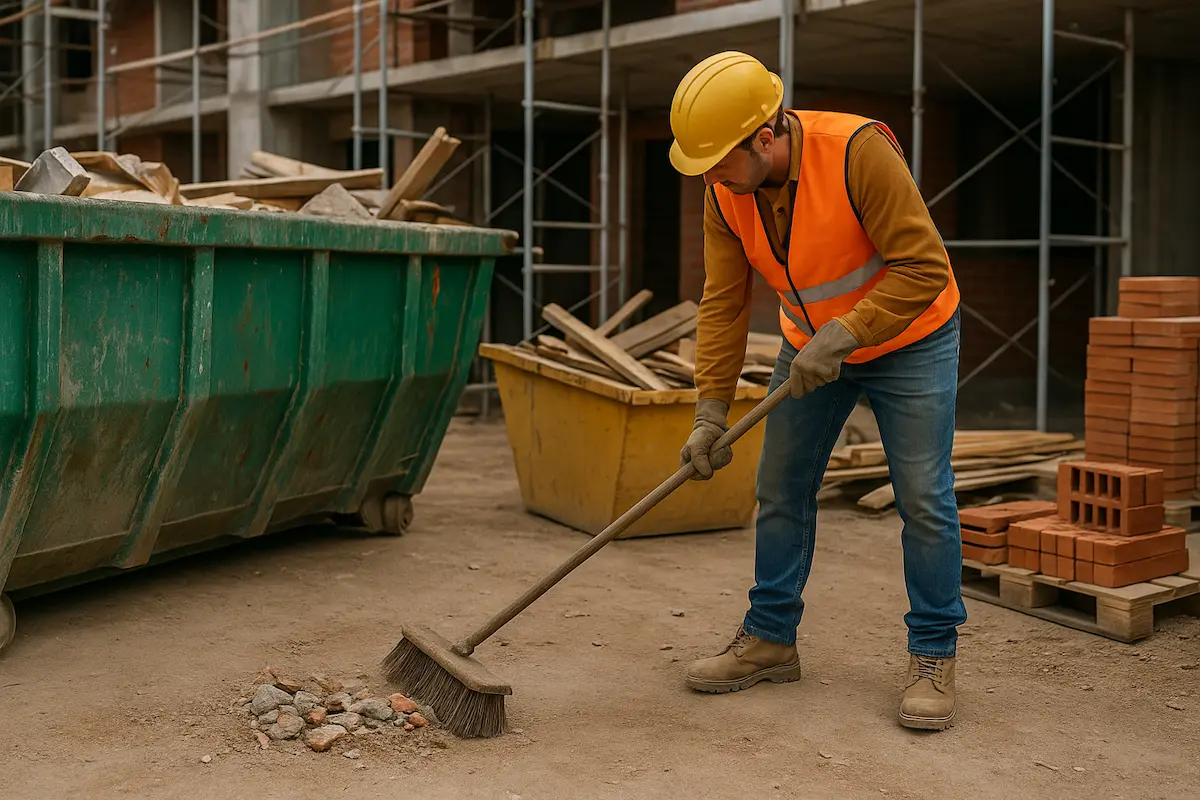
These are your go-to tools for daily sweeping and debris collection. Durable and easy to handle, they make surface cleanup fast.
RORO Bins and Waste Containers
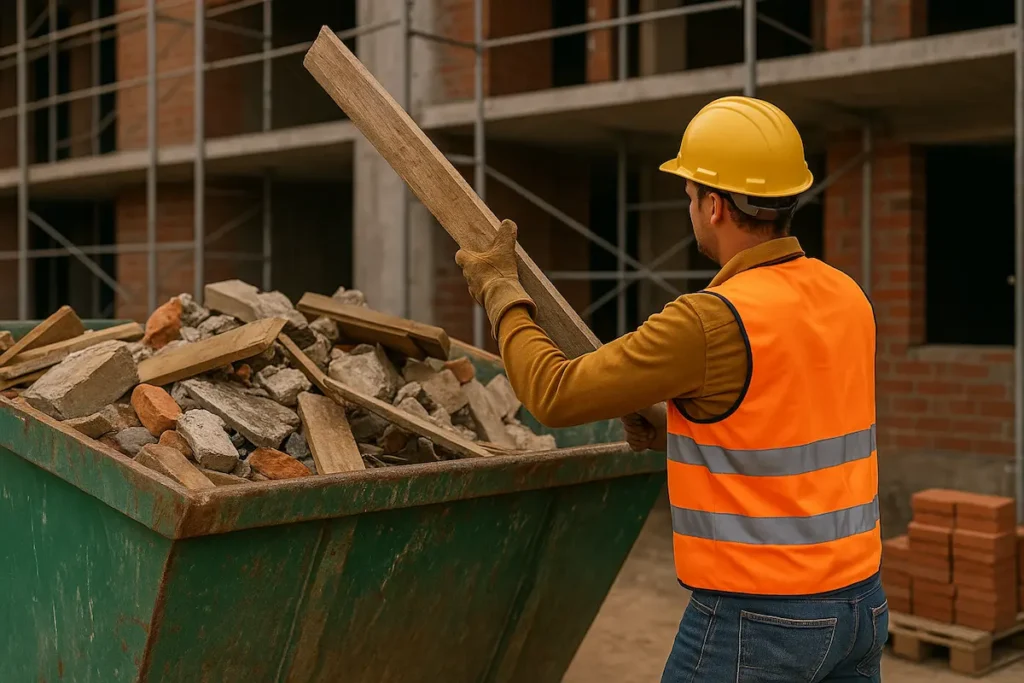
RORO (Roll-On Roll-Off) bins simplify large-scale waste collection. They’re perfect for storing debris and scheduling quick pickups with waste partners.
Industrial Vacuums and Pressure Washers
For fine dust and concrete residue, industrial vacuums and washers maintain cleanliness in high-traffic areas.
Safety Gear for Cleanup Operations
Gloves, safety boots, goggles, and masks protect workers from sharp objects and airborne particles. Safety should never be compromised.
Step-by-Step Guide to Daily Site Cleanup Routine
Step 1 – Start with Sorting Waste
Separate waste by type: recyclables, metals, hazardous materials, and general debris. This reduces disposal costs and environmental impact.
Step 2 – Collect and Dispose of Debris Properly
Use wheelbarrows or bins to move waste to designated areas. Ensure nothing blocks walkways or exits.
Step 3 – Sweep and Wash Working Areas
Once debris is cleared, sweep and pressure-wash dusty or muddy surfaces to restore a safe working condition.
Step 4 – Organize Tools and Materials
Return tools to their storage areas, and ensure materials are labeled and covered to prevent weather damage.
Step 5 – Final Inspection Before Leaving Site
A quick site walk ensures all areas are safe and ready for the next day’s work. Supervisors should verify completion daily.
Implementing the “Clean-as-You-Go” Principle
Encouraging Accountability Among Workers
When everyone cleans as they work, end-of-day cleanup becomes lighter. Accountability reduces resistance and promotes teamwork.
Monitoring Cleanup Performance Daily
Use a checklist to track which zones are cleaned and by whom. Visual boards or apps can help maintain transparency.
Integrating Waste Management Partners for Better Results
Benefits of Partnering with Professional Waste Collectors
Reliable waste partners ensure compliance and efficiency. They handle sorting, transportation, and disposal—saving you time.
Scheduling RORO Bin Pickups for Maximum Efficiency
Plan bin swaps during low-traffic hours to avoid disrupting site operations. Consistent scheduling prevents waste overflow.
How Technology Can Streamline Cleanup Routines
Using Checklists and Digital Logs
Digital cleanup logs make it easy to track daily progress and verify accountability.
Tracking Cleanup Tasks via Project Management Apps
Apps like Trello or Fieldwire let you assign cleanup duties, set reminders, and share real-time updates with the team.
Cost Benefits of Maintaining a Clean Construction Site
Saving Time and Labor Costs
Time saved from reduced searching and fewer injuries adds up. Clean sites keep workflows smooth and efficient.
Preventing Equipment Damage
Dust and debris can harm power tools and heavy machinery. Regular cleanup prolongs equipment lifespan.
Improving Compliance and Avoiding Fines
Authorities may fine non-compliant contractors for poor waste management. Clean sites demonstrate professionalism and compliance.
Common Mistakes to Avoid During Site Cleanup
Ignoring Daily Waste Segregation
Mixing materials creates extra work later and can lead to penalties. Always sort waste immediately.
Using Wrong Tools or Bins
Each waste type requires the right container—hazardous materials should never be mixed with recyclables.
Failing to Supervise or Inspect Work
Without supervision, cleanup standards quickly drop. Regular checks maintain quality.
Tips for Motivating Workers to Maintain Clean Sites
Reward Consistent Performance
Recognize teams who consistently maintain their zones. A simple reward system boosts motivation.
Conduct Weekly Competitions or Recognition Programs
Turn cleanup into friendly competition—teams that perform best can win small prizes or bonuses.
Lead by Example
Supervisors who actively participate in cleanup inspire their teams to follow suit.
Safety Considerations During Cleanup
Handling Sharp and Hazardous Materials
Workers must handle glass, metal, and chemicals with extreme care and use proper disposal methods.
Wearing Proper PPE at All Times
Personal protective equipment is mandatory for all cleanup activities—no exceptions.
Keeping Walkways Clear of Obstructions
Blocked paths are a major hazard. Ensure all materials and tools are neatly stored.
Creating a Long-Term Culture of Site Cleanliness
Include Cleanup in Daily Briefings
Morning meetings should include reminders about cleanliness and assigned duties.
Make It Part of the Company’s SOP
Embedding cleanup protocols into your SOP ensures consistency across all projects.
Conduct Monthly Evaluations
Assess performance monthly and identify areas for improvement or training.
Conclusion: Small Efforts, Big Results
A clean site is a productive site. By integrating simple daily routines, contractors can boost safety, morale, and project speed. Cleanliness isn’t just a rule—it’s a habit that pays off in efficiency and reputation.
FAQs
It maintains safety, prevents delays, and enhances overall site efficiency.
Heavy-duty brooms, shovels, RORO bins, vacuums, and pressure washers are essential.
They streamline waste collection and make disposal faster and safer.
Implement recognition programs, rewards, and lead by example.
Yes—digital checklists and task-tracking apps simplify scheduling and accountability.