
This article is part of our Global Sustainability Case Studies series, which highlights how different regions manage construction waste, recycling systems, and large-scale cleanup practices in the building industry.
Avoiding Delays from Improper Waste Handling
Introduction to Waste Handling Efficiency
Have you ever noticed how a simple mistake in waste handling can throw an entire project off schedule? Waste management might not sound like the most glamorous part of operations, but it’s one of the most critical. Proper waste handling ensures smooth operations, compliance with regulations, and cost efficiency. On the other hand, improper waste disposal can cause massive delays, penalties, and even environmental damage.
Why Proper Waste Handling Matters
When waste is handled properly, everything runs like a well-oiled machine. Materials are cleared on time, workers stay safe, and there’s no clutter slowing down progress. Efficient waste handling also helps maintain a clean and professional environment—something clients notice and appreciate.
The Hidden Costs of Improper Waste Disposal
Improper waste handling doesn’t just cause inconvenience—it costs real money. Missed deadlines, reworks, fines, and even damaged reputations are all on the line. Plus, when projects stall due to waste build-up, it affects productivity, scheduling, and overall morale.
Understanding Common Causes of Waste Handling Delays
Lack of Planning and Coordination
Most delays stem from poor planning. Without a solid waste management plan, teams often scramble at the last minute, leading to overflow, confusion, and unnecessary downtime.
Poor Waste Segregation Practices
Mixing recyclable materials with hazardous waste can complicate disposal and increase costs. Worse, it can make waste unfit for recycling and violate disposal regulations.
Insufficient Equipment and Manpower
Not having enough bins, skips, or collection vehicles can delay waste removal. Similarly, an understaffed waste management team struggles to keep up with the volume of waste, causing operational bottlenecks.
Non-Compliance with Local Regulations
Failing to meet local disposal requirements can halt projects entirely. Authorities may impose fines, revoke permits, or stop work until compliance is restored.
The Impact of Improper Waste Handling on Projects

Improper waste handling doesn’t just affect cleanliness—it disrupts overall site productivity. For a deeper understanding of how workflow processes influence project timelines, explore our guide on Contractor Workflow & Project Efficiency.
Delays in Construction and Industrial Workflows
In construction or industrial sites, waste accumulation can block access points and delay subsequent tasks. For example, concrete debris left uncollected can halt excavation or foundation work.
Increased Operating Costs and Penalties
Every delay costs money—extra labor, equipment rentals, or overtime hours. Add potential environmental fines, and your project expenses skyrocket.
Environmental and Health Consequences
Improper disposal leads to pollution and potential health hazards for workers and nearby communities. In the long term, it damages ecosystems and brand reputation.
Strategies to Prevent Waste Handling Delays
Establishing a Clear Waste Management Plan
A detailed waste management plan should outline procedures from collection to final disposal.
Setting Goals and Responsibilities
Assign clear roles for waste handling—who collects, who monitors, and who ensures compliance. Everyone should know their part to prevent confusion.
Choosing the Right Waste Collection Schedule
Regular pick-ups prevent overflow. Depending on the project size, daily or bi-weekly collections might be ideal.
Training and Awareness Among Workers
Educating staff about waste categories and proper disposal methods reduces mistakes. Awareness campaigns can also promote accountability and responsibility.
Implementing Efficient Waste Segregation Systems
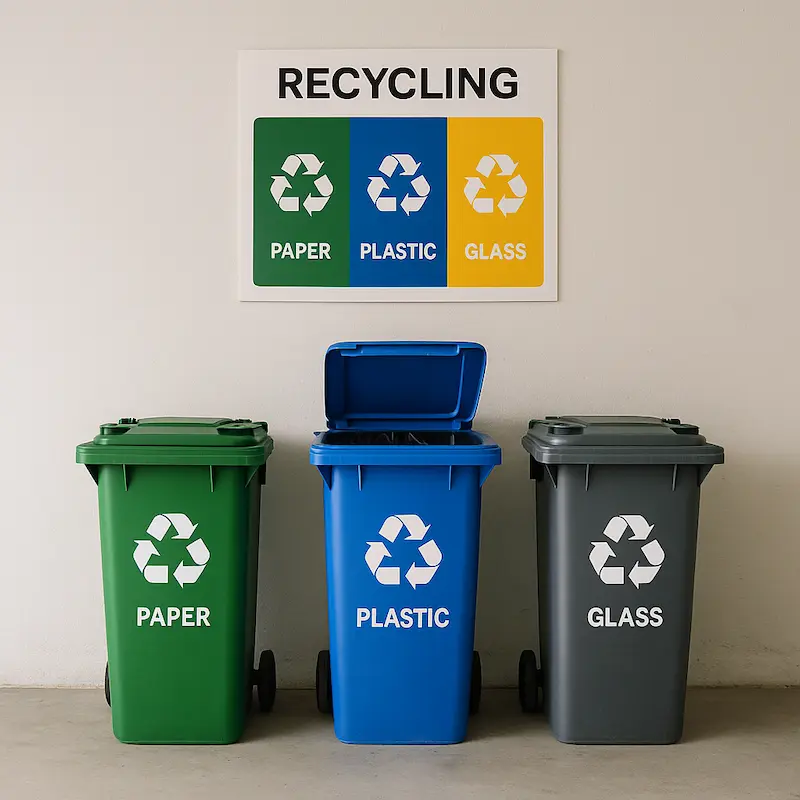
Label bins clearly for recyclable, organic, and hazardous waste. Color-coded systems simplify sorting and minimize contamination.
Using Reliable Waste Disposal Partners
Partnering with a dependable waste management company ensures consistency. They handle collection, sorting, and disposal, so you can focus on your core operations.
Monitoring and Continuous Improvement
Regular audits and performance tracking can highlight inefficiencies. Use data to tweak your system and continuously improve waste management processes.
Role of Technology in Streamlining Waste Management
Smart Bins and IoT Tracking Systems
Modern waste bins equipped with sensors can signal when they’re full. This prevents overflow and optimizes collection routes.
Data-Driven Waste Collection Optimization
Using data analytics, companies can predict waste generation patterns, enabling more efficient scheduling and allocation of resources.
Digital Reporting and Compliance Tools
Paper-based reporting is outdated. Digital waste logs make compliance easier and faster, ensuring that all regulations are met without delay.
Choosing the Right Waste Management Provider
Key Qualities to Look For
Select providers with proven reliability, quick response times, and transparent communication. Look for experience in your specific industry—construction, manufacturing, or commercial.
Importance of Licensing and Certifications
Make sure your provider is certified to handle different types of waste, including hazardous materials. This helps avoid legal complications.
Comparing Costs vs. Efficiency
Cheapest isn’t always best. A slightly higher-priced but efficient provider often saves more money by preventing downtime and project delays.
Case Study: How Proper Waste Handling Prevented Project Delays
Example from a Construction Site
A local construction firm once faced recurring delays due to poor waste handling. After partnering with a professional waste management company and implementing a strict segregation system, they reduced downtime by 40% and saved thousands in penalties.
Lessons Learned
Efficient planning and reliable partnerships go a long way. Small improvements in waste management lead to massive gains in project timelines and cost savings.
Conclusion
Avoiding delays from improper waste handling is about foresight, discipline, and smart partnerships. By planning ahead, using technology, and working with trusted waste management providers, businesses can keep their projects running smoothly, save costs, and maintain compliance. Waste handling might seem small, but when done right—it’s the difference between chaos and efficiency.
FAQs
Poor planning, lack of segregation, insufficient manpower, and non-compliance with regulations are the biggest culprits.
By having a clear plan, regular collection schedules, and trained staff, along with reliable waste partners.
It speeds up disposal, reduces contamination, and ensures materials are recycled properly.
IoT sensors, data analytics, and digital reporting tools help monitor, optimize, and streamline processes.
Look for licensed, experienced, and responsive providers who prioritize reliability and compliance.