
This article is part of our Global Sustainability Case Studies series, highlighting how Malaysia’s industrial sector manages waste responsibly through effective collection systems, recycling initiatives, and sustainable disposal practices that support long-term environmental goals.
How RORO Bins Simplify Factory Waste Disposal
Introduction – The Hidden Struggle of Factory Waste Disposal
Factory waste disposal can be a nightmare if not handled efficiently. From overflowing bins to costly removal schedules, the process can drain time, money, and energy. But here’s the good news — RORO bins (Roll-On Roll-Off bins) are changing the game for factories everywhere. These massive, easy-to-load containers have become the backbone of modern industrial waste management.
What Are RORO Bins?
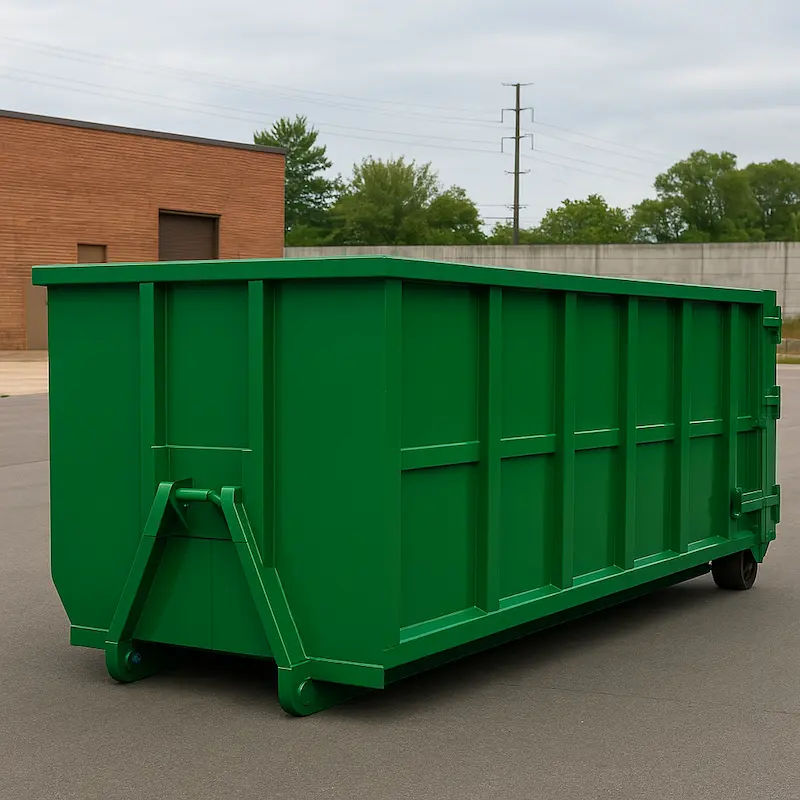
RORO bins, short for Roll-On Roll-Off bins, are large industrial waste containers designed for heavy-duty use. Unlike traditional skips, they’re loaded onto and off trucks using a rolling mechanism — saving time and reducing manual handling.
The Meaning Behind “Roll-On Roll-Off”
The term “Roll-On Roll-Off” refers to how the bins are transported. Instead of lifting, the truck simply rolls the bin onto its back and rolls it off at the disposal site or factory — a fast, efficient, and safe method.
Types of RORO Bins Used in Industrial Settings
Open-Top RORO Bins
Perfect for general, bulky waste like metal scraps, wood, and debris.
Enclosed or Covered RORO Bins
Used for dusty or hazardous waste that needs to be contained.
Compactor RORO Bins
Ideal for lightweight waste that can be compressed to save space.
The Growing Problem of Industrial Waste Management
Factories produce tons of waste every week — metal shavings, packaging materials, plastics, and sometimes hazardous chemicals. Without proper disposal, this can harm the environment and even breach national waste laws.
Why Factories Produce So Much Waste
Every production line generates byproducts — some reusable, most disposable. Whether it’s rejected materials or cleaning residues, industrial output always comes with waste.
The Risks of Poor Waste Handling
Improper waste management can lead to fines, safety hazards, and even factory shutdowns. Worse, it can damage a company’s reputation in today’s eco-conscious world.
How RORO Bins Revolutionize Factory Waste Disposal
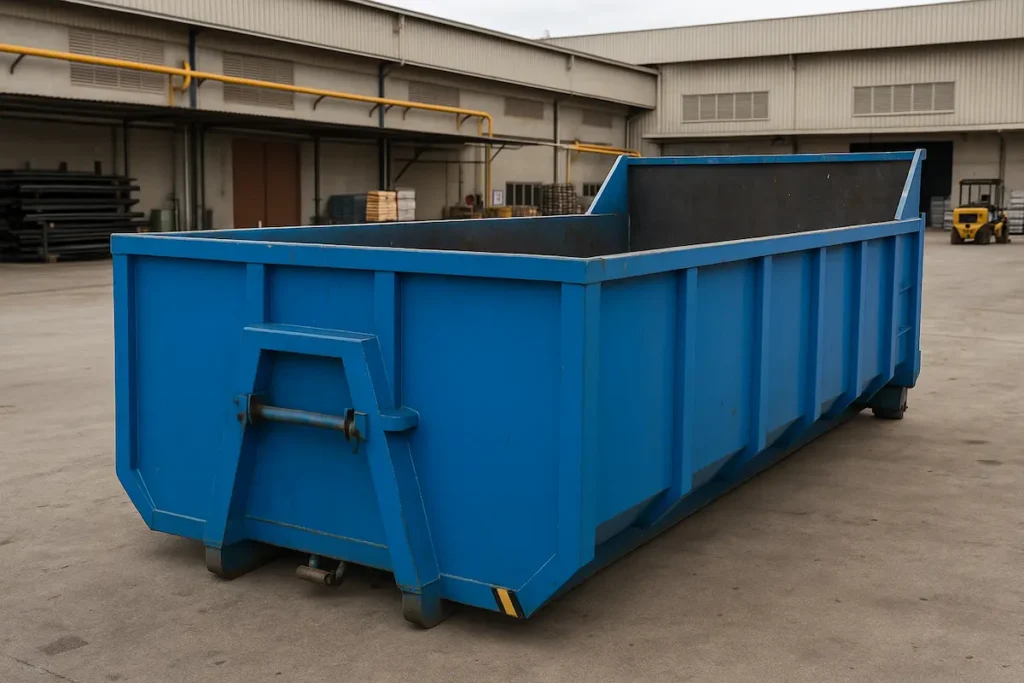
RORO bins simplify the entire process by offering efficiency, flexibility, and safety all in one package.
Looking for a deeper guide on managing industrial waste at a larger scale? Explore our full article on RORO Bin & Logistics Solutions for Industrial Waste to understand how proper bin systems and logistics improve compliance, cost efficiency, and operational flow.
Easy Loading and Unloading Process
Because of their open-top design and roll-on mechanism, RORO bins allow forklift and crane access — making loading simple even for heavy or oversized waste.
Handles Large Volumes of Waste Efficiently
A single RORO bin can hold up to 40 cubic yards of waste. This reduces the frequency of pickups, which in turn lowers transportation costs.
Minimizes Manual Labour and Time
No more carrying heavy loads or waiting for small skips to be replaced. RORO bins speed up disposal, letting workers focus on production instead of waste.
Promotes Safer Work Environments
Fewer bins mean fewer trip hazards and less clutter around the factory. Plus, waste is contained in one place, reducing contamination risks.
Flexible Placement for Different Waste Zones
RORO bins can be placed anywhere on-site — near production lines, outdoor storage, or loading docks — giving factories control over their waste flow.
Cost Benefits of Using RORO Bins for Factories
Lower Transportation Costs
With higher capacity, fewer trips are needed. This means lower fuel costs and reduced carbon emissions.
Reduces Equipment and Labour Expenses
Since RORO bins handle large loads, factories can skip hiring extra labour or using smaller bins.
Long-Term Efficiency for Waste Contracts
RORO bin services often come with flexible rental or pickup schedules, making long-term waste management more predictable and budget-friendly.
Environmental and Compliance Advantages
Supports Recycling and Waste Segregation
Factories can use multiple RORO bins for different waste types — metals, plastics, wood, etc. This supports recycling goals and helps meet sustainability targets.
Helps Meet Environmental Regulations (SWCorp, DOE)
Malaysia’s SWCorp and DOE require proper waste handling documentation. Using RORO bins through licensed providers ensures compliance and peace of mind.
When Should a Factory Use RORO Bins?
During Large Production Runs or Overhauls
When output increases, so does waste. RORO bins handle the surge effortlessly.
For Hazardous or Bulky Waste Handling
Enclosed RORO bins are ideal for storing hazardous materials safely before transport.
How to Choose the Right RORO Bin Size for Your Factory
Common Sizes Available (10, 20, 30, 40 cubic yards)
The right size depends on your waste volume and pickup frequency.
Matching Bin Size to Waste Type
For instance, a 10-yard bin suits heavy waste like metal, while 40-yard bins are better for lighter, bulky materials.
How the RORO Collection Process Works
Step 1 – Bin Delivery and Placement
The provider delivers and positions the bin where your waste is generated.
Step 2 – Waste Loading by Factory Staff
Staff fill the bin according to guidelines, avoiding overfilling or mixing restricted items.
Step 3 – Scheduled Pick-Up and Replacement
Once full, the bin is rolled onto a truck, replaced with an empty one, and disposed of properly.
RORO Bins vs Traditional Waste Skips
Bigger Capacity, Less Hassle
One RORO bin can replace several skips.
Fewer Trips, Lower Carbon Emissions
Reduced pickup frequency means smaller environmental impact.
Better for Industrial Waste Streams
Designed specifically for large factories and complex waste types.
Real-World Example – RORO Use in a Manufacturing Plant
Case Study: Metal Factory in Shah Alam
A local metal fabrication factory switched from 10 small skips to 2 RORO bins. Waste handling time dropped by 60%, and site safety improved dramatically.
Measurable Improvements in Efficiency and Safety
The company reported fewer waste-related incidents and better compliance scores during audits.
Tips to Optimize RORO Bin Usage at Your Factory
Label Bins Clearly for Waste Segregation
Avoid cross-contamination and boost recycling rates.
Train Staff on Proper Loading Techniques
Prevent damage or overloading penalties.
Monitor Waste Volumes Monthly
Helps plan collection schedules and control costs.
Partnering with a Reliable RORO Bin Service Provider
What to Look for in a Waste Management Partner
Choose providers that offer transparent pricing, flexible schedules, and proof of licensed disposal facilities.
Importance of Compliance and Licensing
Working with certified waste collectors ensures your waste is handled safely and in line with government standards.
Conclusion – A Smarter, Cleaner Future for Industrial Waste Disposal
RORO bins have simplified factory waste disposal beyond expectation. They save time, money, and stress — all while keeping your factory compliant and eco-friendly. In a world moving toward greener operations, adopting RORO bins isn’t just a convenience — it’s a necessity.
FAQs
Yes, but you’ll need enclosed or special bins approved for hazardous materials.
It depends on production volume — most factories schedule weekly or bi-weekly pickups.
Absolutely. Even small plants benefit from RORO bins, especially during high-output periods.
Compactor bins compress waste to save space, while RORO bins handle bulkier, heavier waste directly.
By minimizing collection trips and encouraging recycling, RORO bins lower fuel use and emissions.