This article is part of our Global Sustainability Case Studies series, highlighting how Malaysia’s industrial sector manages waste responsibly through effective collection systems, recycling initiatives, and sustainable disposal practices that support long-term environmental goals.
Integration of RORO Services into Recycling Programs
Introduction
Recycling has become a critical part of sustainable waste management, but managing large volumes of recyclable waste efficiently remains a challenge. That’s where RORO (Roll-On Roll-Off) services come in. These heavy-duty containers are transforming how industries, local councils, and even communities handle recycling — by making it faster, cleaner, and more organized.
Understanding the Growing Need for Efficient Recycling Systems
With urban areas expanding and consumption increasing, waste generation has skyrocketed. Traditional waste collection methods often can’t keep up with the sheer volume. Integrating RORO services helps bridge this gap by offering scalable and efficient collection systems that can handle both general and recyclable waste.
What Are RORO Services?
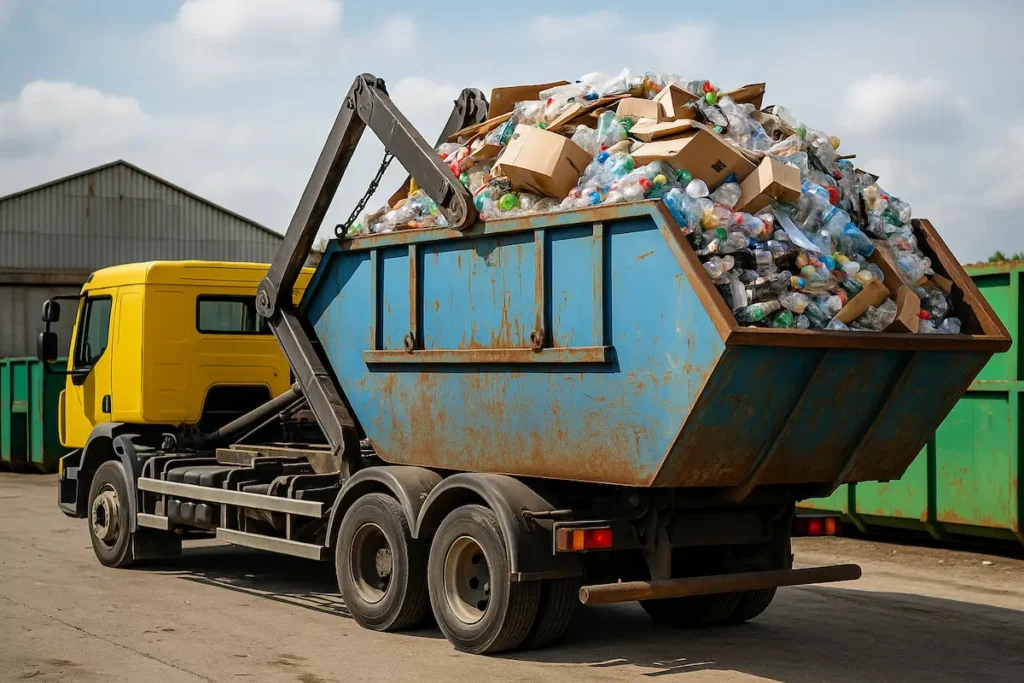
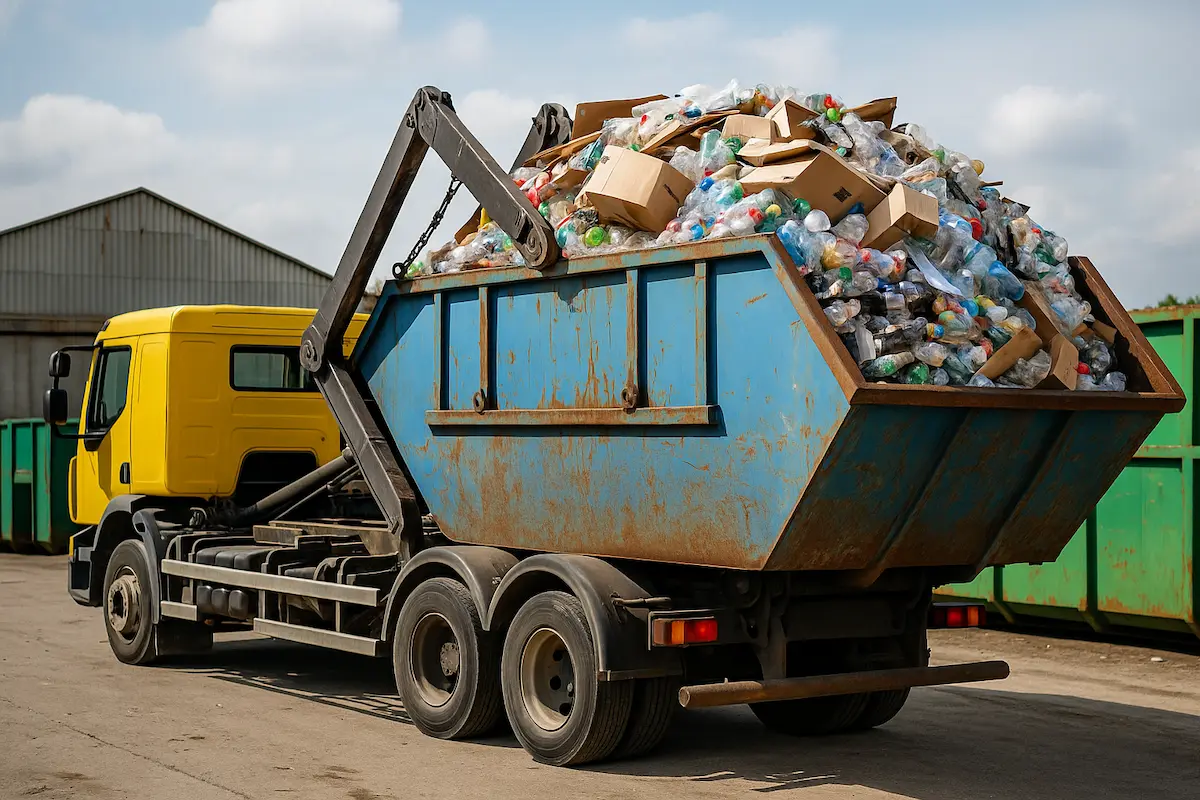
RORO services involve using large, open-top containers that can be rolled on and off specially designed trucks. Unlike smaller skips, these containers can handle tons of material at once, making them ideal for construction, demolition, and industrial waste — and now increasingly for recycling programs too.
The Role of RORO (Roll-On Roll-Off) in Modern Waste Management
How RORO Containers Simplify Bulk Waste Collection
RORO containers make it possible to collect vast amounts of recyclable waste without constant pickups. They’re easy to load, move, and empty, saving time and reducing fuel use for transportation.
Why RORO Services Are Vital for Recycling Programs
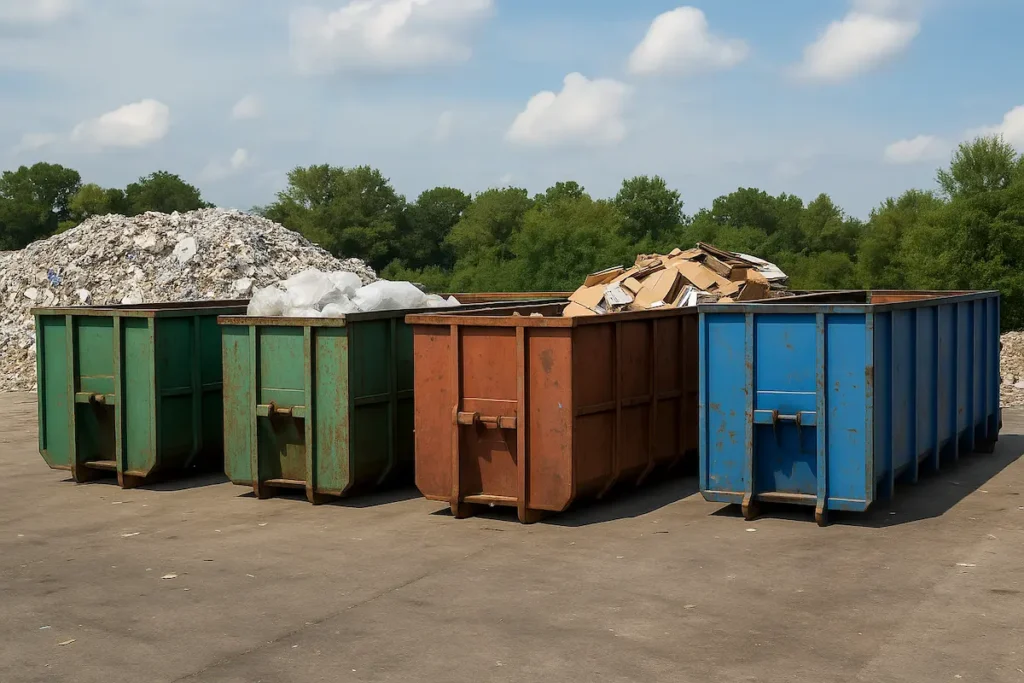
Recycling programs rely on consistent waste segregation, collection, and transportation. RORO bins streamline this by serving as large centralized drop-off points for recyclables like metals, plastics, and wood, improving operational efficiency.
Types of Recyclable Materials Managed with RORO Bins
Construction and Demolition Waste
RORO containers are perfect for managing heavy debris such as concrete, bricks, and metals that can be recycled for new construction materials.
Industrial and Commercial Waste
Factories and warehouses generate bulk recyclable waste — from cardboard to scrap metal — and RORO bins help them manage it sustainably.
To understand how RORO bins are used specifically for factory, warehouse, and construction waste, read our full guide on RORO Bin & Logistics Solutions for Industrial Waste.
Household and Community Recycling
Many local councils use smaller RORO containers during cleanup campaigns or public recycling drives, encouraging responsible waste disposal.
Benefits of Integrating RORO Services into Recycling Programs
Cost Efficiency and Reduced Transportation Needs
By accommodating large volumes, RORO containers minimize the need for frequent trips, cutting fuel costs and emissions.
Enhanced Sorting and Material Recovery Rates
With proper labeling and segregation, RORO bins make sorting recyclables more efficient, increasing the amount of material recovered for reuse.
Environmental Sustainability and Carbon Reduction
Fewer collection trips mean less pollution. Plus, more efficient recycling helps reduce landfill waste, directly supporting climate goals.
Step-by-Step Process of Integrating RORO into Recycling Programs
Step 1: Assessing Waste Volume and Type
Understand the kind of waste your program generates. This helps determine the container type and frequency of collection needed.
Step 2: Selecting the Right RORO Bin Sizes and Placements
Place bins strategically — near production areas or public collection points — to maximize accessibility and minimize contamination.
Step 3: Partnering with Licensed Waste Carriers
Always work with certified waste carriers to ensure compliance with local waste and recycling regulations.
Step 4: Implementing Segregation and Collection Systems
Encourage proper waste segregation at the source using color-coded bins and educational signage.
Step 5: Tracking and Reporting Recycled Material Output
Use digital reporting tools to measure recycling performance and compliance. This data also supports CSR and ESG reporting.
Case Studies: Successful RORO-Recycling Integrations
Municipal Recycling Initiatives
Cities like Singapore and London have adopted RORO-based recycling systems for construction and household waste, improving recovery rates significantly.
Industrial Recycling Partnerships
Manufacturing plants have integrated RORO systems to manage their waste streams more efficiently, reducing costs and improving sustainability credentials.
How Businesses Can Benefit from RORO-Recycling Integration
Improved Waste Compliance and Reporting
Proper RORO integration ensures your business meets local environmental laws and can easily document recycling rates.
Strengthened Corporate Social Responsibility (CSR)
Demonstrating a commitment to sustainable waste practices enhances your brand image and stakeholder trust.
Long-Term Cost Savings
Efficient waste collection reduces labor, fuel, and landfill fees — saving money over time.
Common Challenges and How to Overcome Them
Space Constraints for RORO Containers
Urban or compact sites may struggle with space. In these cases, opt for smaller RORO units or schedule frequent exchanges.
Inefficient Sorting at Source
Educate teams or communities on correct recycling practices to avoid contamination of recyclable materials.
Lack of Public Awareness and Participation
Awareness campaigns and incentive programs can motivate participation in recycling programs.
The Future of RORO Services in the Circular Economy
Technological Advancements in Waste Tracking
Digital systems now allow for real-time tracking of waste collection and recycling rates through smart tags and GPS.
AI and IoT in Smart Waste Collection
AI sensors in RORO bins can alert carriers when bins are full, optimizing pickup routes and cutting down on unnecessary trips.
Environmental and Economic Impacts of RORO Integration
Reducing Landfill Dependency
More recyclable material recovery means fewer trips to landfills, helping preserve land and reduce methane emissions.
Supporting Green Jobs and Local Economies
Expanding recycling operations creates jobs in sorting, logistics, and waste technology sectors.
Conclusion
Integrating RORO services into recycling programs is no longer optional — it’s essential for modern waste management. It combines efficiency, sustainability, and economic value in one scalable solution. Whether you’re managing a local recycling initiative or a large industrial operation, adopting RORO systems can streamline your processes, reduce environmental impact, and move your organization closer to a circular economy.
FAQs
RORO stands for Roll-On Roll-Off, referring to large containers that can be easily transported on and off trucks for bulk waste handling.
They allow for centralized, large-scale waste collection, minimizing trips and encouraging better waste segregation.
Yes, though it’s best to separate recyclables to maximize recovery rates and reduce contamination.
They can be used for large community cleanups or neighborhood recycling programs where waste volume is higher than usual.
Begin by assessing waste volume, choosing the right bin type, and partnering with a licensed RORO waste carrier to ensure compliance and efficiency.