
This article is part of our Global Sustainability Case Studies series, which highlights how different regions manage construction waste, recycling systems, and large-scale cleanup practices in the building industry.
Construction Site Waste Management Best Practices
Introduction to Construction Site Waste Management
Construction sites are notorious for generating a massive amount of waste—from concrete and metal scraps to wood, packaging, and even hazardous materials. Managing this waste efficiently is not just about keeping the site clean; it’s about minimizing environmental harm, cutting unnecessary costs, and staying compliant with regulations. To understand the bigger picture of how construction waste is handled locally, you can also read our full guide on Construction Waste Management in Malaysia.
Why Construction Waste Management Matters
Environmental Impact of Poor Waste Handling
Improper waste management can cause serious environmental damage. When debris and hazardous substances are left unmanaged, they contaminate soil and waterways, releasing toxins that harm both humans and ecosystems.
Economic and Legal Consequences
Poor waste handling can also lead to hefty fines, project delays, and damage to a company’s reputation. On the other hand, efficient waste management reduces material costs and enhances overall site productivity.
Understanding Construction Waste
Types of Construction Waste
Construction waste comes in various forms, and understanding each type is essential to managing it effectively.
Inert Waste (Concrete, Bricks, Tiles)
These are non-reactive materials that do not decompose. They can often be crushed and reused as base materials for roads or new construction.
Non-Inert Waste (Plastics, Timber, Packaging)
These materials are biodegradable or combustible and should be sorted separately for recycling or energy recovery.
Hazardous Waste (Paint, Chemicals, Asbestos)
Hazardous materials require special handling and disposal. Mishandling them can lead to severe environmental and health risks.
Waste Generation Stages on Site
Waste can occur during every stage—from design and procurement to demolition and cleanup. Identifying when and where waste is generated helps in controlling it.
Core Principles of Waste Management
The 3Rs – Reduce, Reuse, Recycle
The foundation of sustainable waste management lies in minimizing waste generation (Reduce), reusing materials wherever possible (Reuse), and sending the remaining waste to recycling facilities (Recycle).
Sustainable Procurement and Planning
Sourcing eco-friendly materials and buying only what’s necessary significantly reduces waste before construction even begins.
Waste Management Planning Before Construction
Conducting a Waste Audit
Before breaking ground, assess what kinds of waste will be produced. A waste audit helps determine the quantity, type, and disposal method required.
Setting Waste Reduction Targets
Establish clear, measurable goals for minimizing waste. For example, aim to recycle 70% of total waste or reduce material over-purchasing by 15%.
Creating a Site Waste Management Plan (SWMP)
A SWMP acts as a roadmap outlining how waste will be handled from start to finish—covering segregation, collection, storage, and final disposal.
Best Practices for On-Site Waste Management
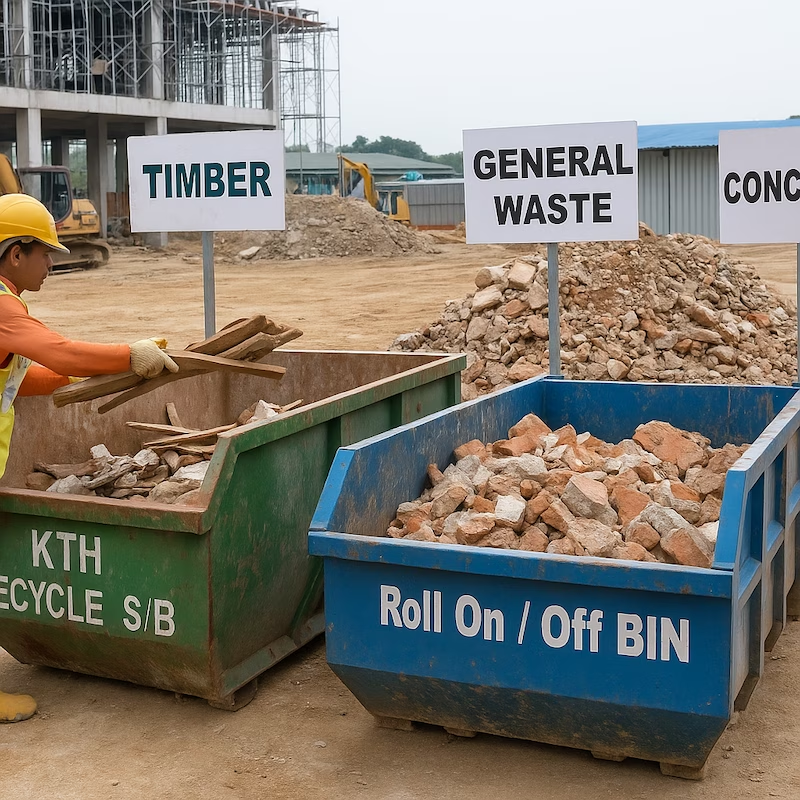
Designating Waste Zones and Signage
Assign specific areas for waste collection, labeled clearly by material type. This minimizes confusion and keeps the site organized.
Segregation of Waste Materials
Separate recyclable, reusable, and hazardous waste. Color-coded bins or skips make it easier for workers to sort waste efficiently.
Efficient Use of RORO Bins and Skips
RORO (Roll-On Roll-Off) bins are ideal for construction sites due to their large capacity and easy transport. Selecting the right bin size prevents overflow and reduces collection frequency.
Regular Collection and Monitoring
Schedule regular pickups to prevent pile-ups that could disrupt site work or attract pests. Keep a logbook for waste tracking.
Training Workers on Waste Handling
Educate workers about proper disposal methods and safety protocols. A well-trained team is crucial for effective waste management.
How to Reduce Waste During Construction
Accurate Material Estimation
Avoid over-ordering materials by calculating precise quantities using digital takeoff tools.
Modular and Prefabricated Construction
Using prefabricated components cuts down on-site waste and speeds up construction time.
Reusing Offcuts and Surplus Materials
Leftover bricks, wood, or metal pieces can be reused in minor site works or future projects.
Recycling Construction Waste
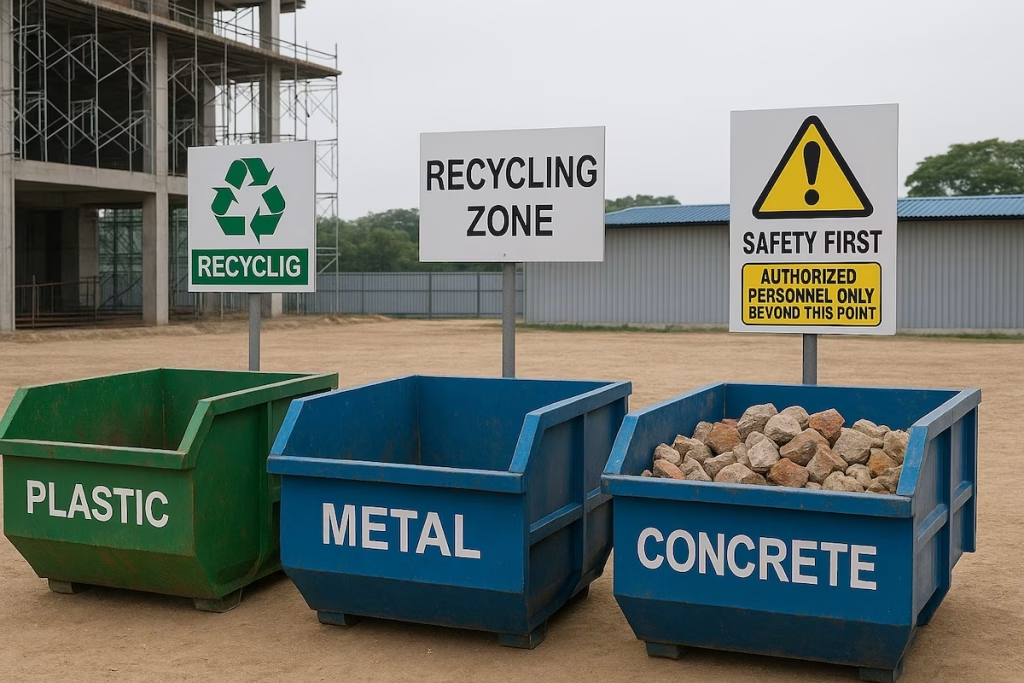
Commonly Recycled Materials
Concrete, metals, glass, and plastics are among the most recyclable construction materials.
Partnering with Certified Recycling Facilities
Collaborate with certified recyclers to ensure waste is properly processed and reused in other industries.
Safe Disposal of Hazardous Waste
Identifying and Labeling Hazardous Waste
Hazardous materials must be stored separately, clearly labeled, and handled with protective gear.
Working with Licensed Disposal Partners
Always use authorized disposal companies to ensure compliance with safety standards.
Role of Technology in Waste Management
Digital Waste Tracking Systems
Software tools can help monitor waste volume, cost, and recycling rates in real time.
Smart Bins and IoT Monitoring
Smart bins equipped with sensors can alert site managers when they’re full, reducing overflow and optimizing collection schedules.
Cost Benefits of Effective Waste Management
Saving on Material and Disposal Costs
Recycling and reusing materials reduce purchasing and landfill costs.
Improving Project Efficiency and Reputation
Clean, well-managed sites boost worker morale, efficiency, and client satisfaction.
Compliance and Legal Requirements
Local Regulations in Malaysia
Malaysia’s Department of Environment (DOE) enforces strict regulations for construction waste handling under the Environmental Quality Act (EQA).
Environmental Quality Act (EQA) Guidelines
Contractors must ensure proper segregation, storage, transport, and disposal of waste to comply with EQA guidelines.
Common Mistakes Contractors Make
Ignoring Waste Segregation
Mixing waste leads to contamination, making recycling impossible.
Poor Scheduling of Waste Removal
Delays in waste pickup can cause site congestion and safety hazards.
Using Non-Compliant Waste Haulers
Unlicensed waste carriers risk illegal dumping, exposing you to legal penalties.
Partnering with Professional Waste Management Companies
Choosing Reliable RORO Bin Providers
Partner with waste companies offering flexible bin sizes, timely pickups, and transparent pricing.
Importance of Documentation and Transparency
Keep all receipts, permits, and disposal certificates to demonstrate compliance and accountability.
Conclusion
Effective construction site waste management is more than a regulatory requirement—it’s a sign of professionalism and environmental responsibility. By planning ahead, training your team, and partnering with reliable waste management providers, you can keep your projects efficient, sustainable, and cost-effective.
FAQs
Planning ahead and practicing the 3Rs—Reduce, Reuse, Recycle—are the most effective ways to minimize waste.
Small contractors can collaborate with local waste disposal services and use smaller RORO bins to manage site waste affordably.
Fines under the Environmental Quality Act can reach up to RM500,000 or imprisonment for serious offenses.
Yes, materials like concrete, steel, and timber can be recycled or repurposed for future projects.
RORO bins simplify waste collection and transport, allowing for efficient disposal and recycling of large volumes of debris.