
This article is part of our Global Sustainability Case Studies series, which highlights how different regions manage construction waste, recycling systems, and large-scale cleanup practices in the building industry.
Contractor’s Guide to Recycling Construction Debris
Introduction – Turning Waste into Opportunity
Construction projects naturally generate waste—from broken bricks and leftover concrete to timber scraps and metal offcuts. But what if this waste wasn’t just trash? What if it could become an opportunity for cost savings, sustainability, and even better branding? Recycling construction debris is no longer just an environmental choice; it’s a smart business strategy every contractor should understand. For a broader overview of waste issues in Malaysia, you can also read our companion article, Construction Waste Management in Malaysia.
Why Construction Waste Recycling Matters
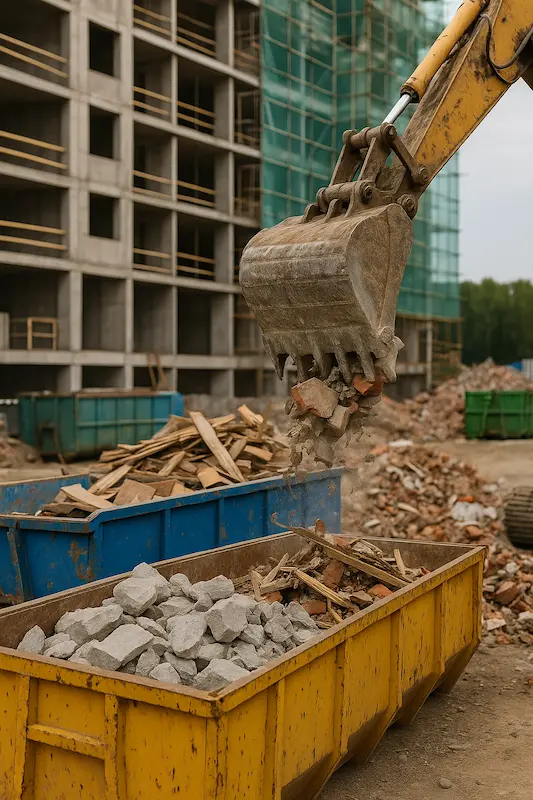
The Scale of Construction Waste Problem
Globally, the construction industry produces over one-third of all waste. Most of it ends up in landfills, taking decades or even centuries to decompose. In many developing countries, this issue is worsening as urbanization accelerates. Contractors play a vital role in reducing this waste before it becomes an environmental crisis.
Environmental and Economic Benefits of Recycling
By recycling, contractors reduce the strain on natural resources while cutting disposal costs. Recycling metals and concrete, for instance, can significantly lower material expenses for future projects. Plus, eco-conscious clients are more likely to choose contractors who demonstrate sustainable practices.
Types of Construction Debris That Can Be Recycled
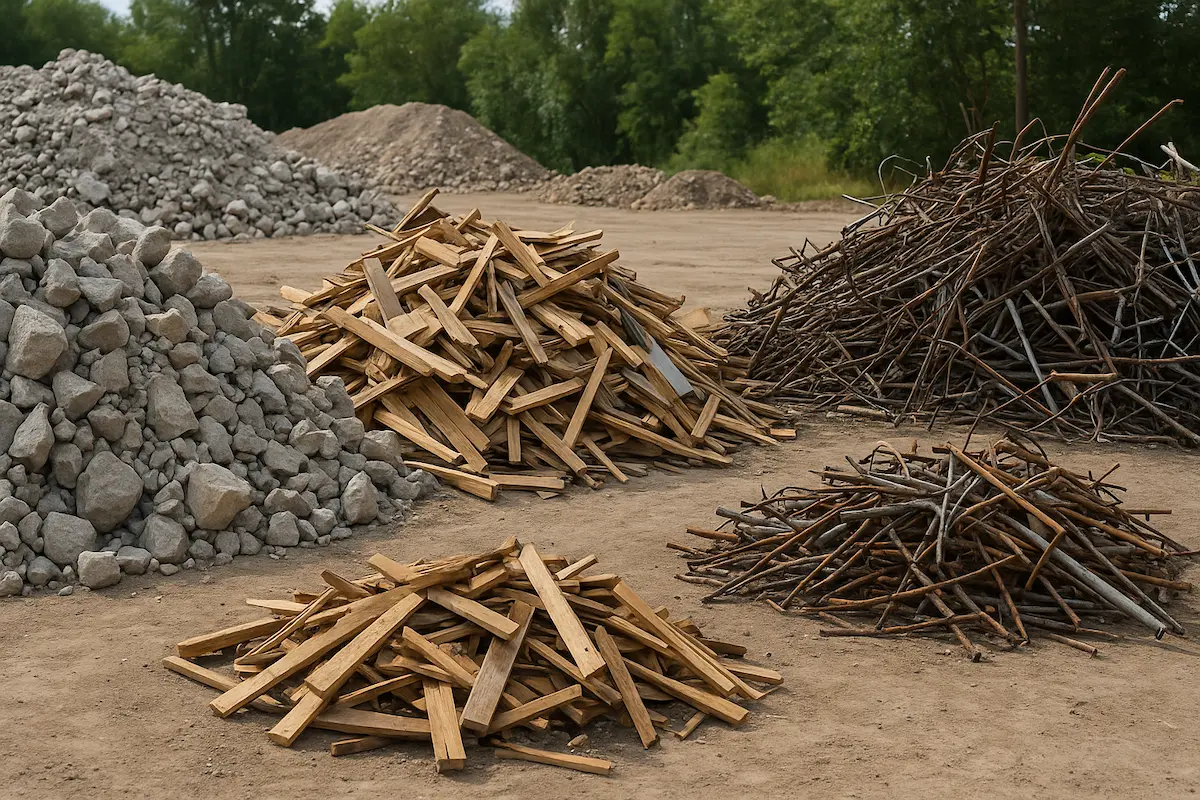
Concrete and Masonry
Crushed concrete can be repurposed for road base, gravel, or even as new concrete aggregates. Masonry waste can also be crushed and reused for landscaping.
Metals (Steel, Copper, Aluminum)
Metals are among the most recyclable materials on any construction site. They can be melted and reshaped endlessly without losing strength.
Wood and Timber Waste
Clean wood can be reused in framing or chipped for mulch and biomass fuel. Painted or treated wood, however, requires special disposal.
Plastics, Glass, and Drywall
These materials can often be ground down and reused in new panels, insulation, or decorative products.
Asphalt and Roofing Materials
Old asphalt can be reheated and mixed into new paving materials, reducing both waste and the need for virgin resources.
How Contractors Can Start a Recycling Program on Site
Step 1 – Conduct a Waste Audit
Start by identifying what materials are being generated, how much, and where. This helps you understand your recycling potential.
Step 2 – Identify Local Recycling Partners
Search for local facilities or waste management companies that specialize in construction recycling. Many offer pick-up services.
Step 3 – Set Up Separate Bins for Materials
Label bins clearly for metals, concrete, wood, and general waste to avoid contamination.
Step 4 – Train the Crew on Sorting Practices
A good system fails if the crew doesn’t follow it. Conduct simple briefings and make recycling part of your site culture.
Step 5 – Monitor and Improve Over Time
Track the percentage of waste being recycled and adjust processes to improve performance month by month.
On-Site vs Off-Site Recycling – Which is Better?
Pros and Cons of On-Site Recycling
On-site recycling saves transport costs and allows materials to be reused immediately. However, it requires space, equipment, and trained operators.
Benefits of Partnering with Off-Site Facilities
Off-site facilities offer convenience and professional handling. They also ensure compliance with local recycling regulations, which reduces contractor liability.
Innovative Tools and Equipment for Recycling Efficiency
Mobile Crushers and Screeners
These allow contractors to crush concrete directly on site, converting waste into reusable material.
Skid Steer Attachments for Sorting Waste
Modern attachments can sort debris more efficiently, minimizing manual labor.
Smart Tracking Tools for Waste Management
Digital platforms help track waste volumes, collection schedules, and recycling rates for better reporting and optimization.
Reducing Waste at the Source
Better Planning and Material Estimation
Over-ordering materials often leads to unnecessary waste. Accurate project estimation helps avoid surplus.
Reusing Materials Within the Project
Timber from demolished structures can be reused for temporary supports or formwork.
Choosing Sustainable Suppliers
Select suppliers offering recycled or recyclable materials to minimize waste from the start.
The Business Case for Recycling Construction Debris
Cost Savings from Reduced Disposal Fees
Landfill tipping fees are rising. Recycling helps cut these costs dramatically.
Winning More Green Construction Contracts
Many tenders now require sustainability credentials. Contractors with recycling systems gain a competitive edge.
Enhancing Brand Reputation and Client Trust
Green practices show responsibility and forward-thinking—qualities clients appreciate.
Legal and Regulatory Requirements
Local Waste Disposal Guidelines
Contractors must comply with municipal or national waste management laws. Failing to do so may result in heavy penalties.
Environmental Certifications (ISO, Green Building)
Programs like ISO 14001 or Green Building Index certification can enhance a contractor’s credibility.
Reporting and Documentation
Keep records of all recycled materials. These can be used for audits and client sustainability reports.
Common Challenges and How to Overcome Them
Crew Non-Compliance
Engage workers with incentives or recognition programs for proper recycling.
Limited Recycling Facilities Nearby
Partner with mobile recyclers or schedule waste pick-ups with nearby regions.
Contamination of Sorted Waste
Use clear labeling and visual examples to minimize sorting errors.
Case Study – Successful Construction Waste Recycling Project
A mid-sized construction firm in Kuala Lumpur implemented a recycling system that diverted 70% of waste from landfills. By partnering with a local recycler, they reused crushed concrete on-site, reduced disposal costs by 25%, and earned a Green Building certification.
Partnering with the Right Waste Management Company
Key Qualities to Look For in a Partner
Choose companies with proven recycling track records, transparent reporting, and fair pricing.
Questions to Ask Before Signing a Contract
What materials do you recycle? How do you report results? What’s your contamination policy?
Conclusion – Building a Greener Future Together
Recycling construction debris isn’t just about being environmentally friendly—it’s about building smarter, saving money, and setting new industry standards. When contractors adopt sustainable practices, they don’t just reduce waste; they redefine what it means to build for the future.
FAQs
Concrete, metals, and wood are among the most easily recycled materials due to their reusability and existing recycling infrastructure.
Start small—partner with local recycling centers, use labeled bins, and educate your crew on basic sorting.
They ensure compliance, handle logistics, and often provide detailed waste reports for your records.
Yes. Recycled concrete, metals, and wood can all be repurposed safely in various applications.
While setup costs exist, long-term savings from reduced disposal fees and material reuse often outweigh initial investments.