This article is part of our Global Sustainability Case Studies series, highlighting how Malaysia’s industrial sector manages waste responsibly through effective collection systems, recycling initiatives, and sustainable disposal practices that support long-term environmental goals.
How Industrial Waste Affects the Supply Chain & Logistics Costs
Introduction to Industrial Waste in Modern Supply Chains
Industrial waste doesn’t just affect the environment—it quietly drains money from the supply chain. Every pile of scrap metal, used chemical drum, or contaminated wastewater storage doesn’t just sit there; it triggers a chain of hidden costs across logistics, production, transportation, and compliance. If you’ve ever wondered why your supply chain costs seem higher than expected, industrial waste might be the root cause.
Businesses that struggle with handling high waste volumes often rely on specialized solutions such as RORO Bin & Logistics Solutions for Industrial Waste to streamline disposal and improve operational flow.
The Rising Challenge of Waste in Industrial Operations
As production scales up, waste naturally increases. Whether it’s manufacturing, construction, automotive, or F&B, industries generate massive amounts of waste that require storage, transportation, and proper disposal. And the more waste you generate, the more your supply chain slows down.
Why Waste Directly Impacts Supply Chain Efficiency
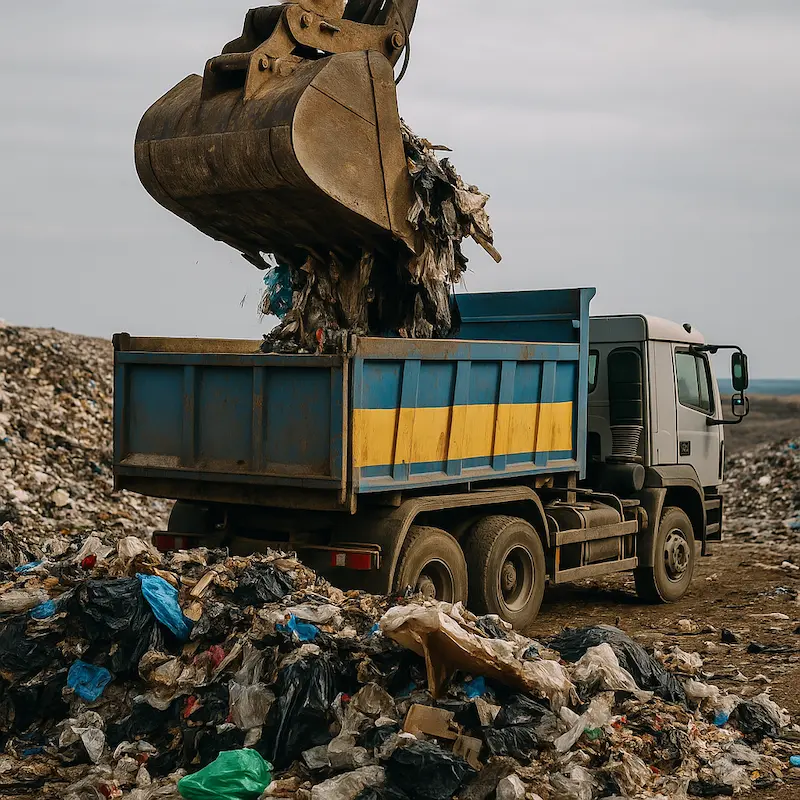
Think of waste like clutter in a warehouse. The more clutter you have, the slower everything becomes—from forklift movement to material planning. Waste slows down operations, disrupts workflows, and increases costs at almost every point of the supply chain.
Understanding Industrial Waste
Types of Industrial Waste
Solid Waste
Includes scrap metal, wood offcuts, cardboard, packaging materials, construction debris, and defective products.
Liquid Waste
Wastewater, oils, chemicals, cleaning fluids, and contaminated liquids from industrial processes.
Hazardous Waste
Toxic, corrosive, flammable, or reactive substances requiring strict disposal procedures.
Recyclable & Reusable Materials
Paper, plastic, aluminium, steel, and other materials that can be recovered or reprocessed.
Sources of Waste Across Different Industries
Manufacturing creates metal scraps and defective products.
Construction produces concrete rubble, timber waste, and steel offcuts.
Warehouses generate packaging waste and damaged inventory.
F&B operations produce organic waste, expired goods, and liquid discharge.
Every sector produces waste, and each type requires different logistics.
The Hidden Link Between Industrial Waste and Supply Chain Costs
Waste as an Operational Bottleneck
Waste can block movement in production areas. When bins overflow or storage becomes cluttered, it slows down forklifts, reduces safe space for workers, and disrupts production flow. Even a few hours of waste pile-up can disrupt an entire shift.
Waste and Its Impact on Production Cycle Times
Machines often require cleaning, purging, or downtime to remove waste. This increases cycle times, reduces output, and raises cost per unit.
How Waste Affects Inventory and Storage Costs
Waste occupies valuable storage areas. When waste piles up:
- raw materials can’t be stored efficiently
- finished goods can’t be staged properly
- additional storage or containers must be rented
All of this increases monthly operational costs.
Transportation & Logistics Costs Created by Industrial Waste
Additional Transport Movements
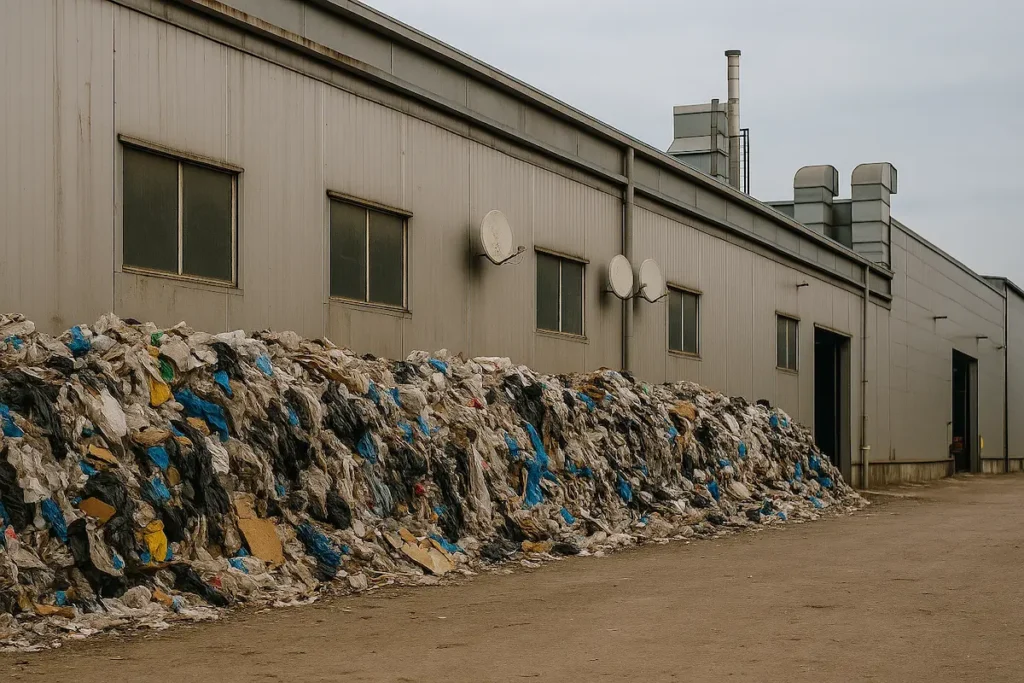
More waste means more trips. Waste trucks, RORO bins, and tankers must be scheduled more often, adding fuel, driver, and vehicle maintenance cost.
Higher Fuel Consumption & Route Inefficiency
Waste disposal routes are usually less optimized than delivery routes, resulting in wasted mileage and higher fuel expenses.
Specialized Waste Transport Requirements
Different types of waste require different vehicles.
RORO Bins
Used for bulky scrap, construction debris, and large-volume solid waste.
Vacuum Tankers
Required for liquid waste, sludge, grease traps, and wastewater.
Hazardous Waste Vehicles
Certified, sealed, and compliant transport for dangerous materials.
Delays in Delivery & Supply Chain Disruptions
If waste blocks loading docks or causes congestion, shipments get delayed, trucks wait longer, and delivery schedules collapse. Even a 30-minute waste-related delay can disrupt downstream logistics.
Waste Management Costs That Add Up
Disposal Fees & Regulatory Compliance Costs
Compliance with DOE and environmental regulations is mandatory. Companies pay:
- landfill disposal fees
- chemical treatment fees
- hazardous waste certification
- documentation and manifest charges
These costs accumulate quickly.
Equipment Costs: Bins, Containers & Machinery
Factories must invest in:
- RORO bins
- compactors
- balers
- shredders
- recycling units
Whether rented or purchased, these incur ongoing costs.
Labor Costs for Handling Waste
Workers must segregate, load, clean, and manage waste. The heavier the waste volume, the higher the labor cost.
Penalties for Improper Waste Handling
Businesses face heavy penalties for illegal dumping, improper storage, or mismanaging hazardous waste. One violation can wipe out monthly profits.
How Poor Waste Management Affects Supplier–Buyer Relationships
Missed Delivery Deadlines
If waste blocks production flow or loading bays, your delivery performance drops. Buyers expect reliability—waste delays damage that.
Reduced Reliability Scores
Key buyers track supplier KPIs. Frequent delays reduce your vendor score, affecting contract renewals.
Loss of Trust and Supply Chain Resilience
Companies want stable, predictable partners. Poor waste management signals weak operations and reduces long-term trust.
Sustainability Expectations in Modern Supply Chains
ESG Requirements
Major corporations require suppliers to meet environmental, social, and governance standards—including waste reduction initiatives.
Customer Demand for Green Supply Chains
Consumers prefer brands with sustainable operations. This pressure flows upstream to suppliers.
The Competitive Advantage of Low-Waste Operations
Cleaner processes mean:
- lower disposal cost
- faster operations
- better audits
- improved brand image
Being environmentally responsible strengthens competitiveness.
Using Technology to Reduce Waste-Related Costs
IoT for Waste Tracking
Smart sensors monitor bin fill-levels, preventing overflow and optimizing pickup schedules.
RORO Bin Logistics Optimization
Digital platforms track bin usage, transport routes, and weight loads to eliminate unnecessary trips.
AI Forecasting for Waste Generation
AI predicts waste output based on production cycles, preventing waste buildup.
Digital Supply Chain Visibility Tools
These tools create end-to-end visibility, preventing bottlenecks caused by unmanaged waste.
Case Study: How Proper Waste Management Reduces Total Logistics Cost
Manufacturing Plant Example
A metal fabrication plant recycled 30% of offcuts and optimized RORO pickup schedules. Result: 18% reduction in logistics cost.
Construction Site Example
By sorting waste into separate bins, the site reduced disposal fees by RM50,000 and avoided delays caused by overflowing debris.
Food & Beverage Industry Example
Organic waste composting and recycling reduced storage needs and eliminated daily waste pickups, saving RM10,000 per month.
Strategies to Minimize Waste Impact on Logistics
Lean Manufacturing & 5S
Reduces clutter, increases efficiency, and keeps production areas clean.
Recycling & Resource Recovery
Turning scrap into revenue reduces disposal fees.
Vendor Education & Training
Suppliers must follow standardized waste procedures to avoid bottlenecks.
Outsourcing to Professional Waste Logistics Providers
Expert providers ensure reliable pickups, compliance, and cost efficiency.
Future Trends in Waste Management for Supply Chains
Circular Supply Chains
Materials get reused, reducing new waste generation.
Carbon-Neutral Waste Transport
Electric trucks and optimized routing reduce carbon footprint.
Smart Bins & Predictive Waste Scheduling
Bins automatically notify operators when they’re full, preventing overflow and unnecessary trips.
Conclusion
Industrial waste is more than an environmental concern—it’s a hidden cost driver that infiltrates every part of the supply chain. From transportation delays to higher disposal fees, unmanaged waste reduces efficiency and inflates logistics expenses. The good news is that improving waste handling, adopting technology, and partnering with reliable waste management providers can dramatically reduce these costs. Companies that take waste seriously not only save money but also gain a competitive edge in sustainability and supply chain performance.
FAQs
It increases transport trips, storage needs, labor, compliance fees, and causes workflow interruptions.
Bulky construction waste and hazardous waste create the most operational and compliance challenges.
By optimizing pickups, using RORO bins, adopting lean practices, and improving waste segregation.
Sustainable operations reduce waste, improve efficiency, satisfy ESG requirements, and attract more clients.
Construction, manufacturing, automotive, and food processing industries experience the highest levels of waste impact.