
This article is part of our Global Sustainability Case Studies series, which highlights how different regions manage construction waste, recycling systems, and large-scale cleanup practices in the building industry.
How to Choose a Reliable Waste Disposal Partner
Introduction
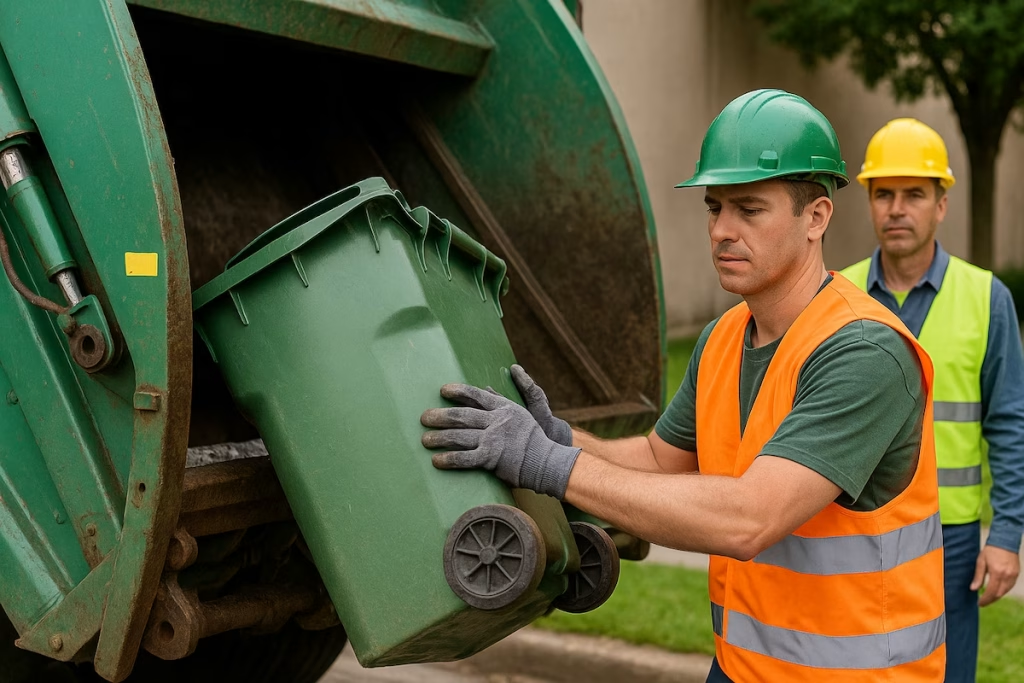
Choosing a reliable waste disposal partner isn’t just about getting rid of trash — it’s about responsibility, efficiency, and sustainability. Whether you’re managing a construction site, a retail outlet, or an office, your choice of partner determines how smoothly your operations run and how compliant you stay with local regulations.
Why Choosing the Right Waste Disposal Partner Matters
Selecting the right waste disposal company is crucial for both environmental and business reasons. A dependable partner ensures your waste is handled safely, legally, and cost-effectively.
The Environmental Impact of Poor Waste Management
Improper waste handling leads to pollution, soil contamination, and health hazards. A reliable partner follows eco-friendly disposal practices that minimize your carbon footprint and protect the environment.
Legal and Compliance Issues You Can Avoid
Many industries face strict waste disposal regulations. Working with a certified partner helps you avoid hefty fines, legal issues, and reputational damage caused by non-compliance.
Cost and Efficiency Benefits of a Reliable Partner
Reliable waste management doesn’t just save the planet — it saves money. Efficient scheduling, proper bin sizes, and optimized collection routes all reduce operational costs.
Understanding Your Waste Management Needs
Before hiring anyone, you must know exactly what kind of waste you produce and how much.
Identify the Type of Waste You Generate
Different waste types require different handling methods. For contractors and renovation companies, proper handling of construction debris is crucial. You can refer to our full article on Construction Waste Management in Malaysia to learn how different materials should be disposed of responsibly.
Construction Waste
Debris such as concrete, metal, and wood must be sorted and disposed of using heavy-duty bins or RORO containers.
Commercial and Industrial Waste
Factories, offices, and restaurants produce recyclable and non-recyclable waste that requires specialized collection.
Residential Waste
Household waste includes everyday disposables, garden waste, and renovation debris, which must be managed safely.
Estimate the Volume and Frequency of Waste Disposal
The amount of waste you generate determines the bin size and collection schedule needed. This helps prevent overflows and unnecessary costs.
Determine the Disposal or Recycling Methods Required
Some waste can be recycled, while others require specific treatment or transport to approved landfills.
Key Qualities of a Reliable Waste Disposal Partner
A trustworthy partner has more than just trucks — they have systems, certifications, and a proven track record.
Proper Licensing and Certifications
Always verify the company holds valid waste collection and transport licenses issued by local authorities.
Proven Experience in Waste Management
A company with years of industry experience can handle various waste types efficiently and safely.
Transparency and Clear Communication
A good partner provides detailed reports, clear invoices, and open communication throughout the process.
Availability of the Right Equipment and Vehicles
From compactors to RORO bins, having the proper tools ensures safe, efficient disposal.
Compliance with Environmental Regulations
Choose a partner committed to environmental responsibility — one that follows ISO standards or local environmental laws.
Strong Customer Reviews and References
Check reviews, testimonials, and ask for client references to gauge reliability.
Red Flags to Watch Out For
Avoid companies that seem too good to be true.
Lack of Documentation or Licenses
Unlicensed operators may dispose of waste illegally, putting your business at risk.
Vague Pricing or Hidden Fees
Reliable partners provide transparent quotes without surprise charges.
Poor Waste Tracking or Unverified Disposal Sites
Always ask where your waste goes. A trustworthy company can show proof of legal disposal or recycling.
Comparing Different Waste Disposal Companies
Don’t rush — compare multiple providers to find the right fit.
Request Detailed Quotes and Service Descriptions
Ask for a breakdown of costs, bin sizes, collection frequency, and disposal methods.
Evaluate Response Time and Flexibility
A partner who responds quickly and adapts to your needs can save you time and headaches.
Compare Long-Term Contracts vs. On-Demand Services
Depending on your needs, you might prefer flexible arrangements or stable contracts.
The Role of Technology in Modern Waste Management
Technology now plays a massive role in improving waste management.
GPS-Tracked Bins and Vehicles
These systems ensure transparency and prevent illegal dumping.
Digital Scheduling and Waste Tracking Systems
Real-time tracking helps businesses monitor waste volumes and plan efficiently.
Eco-Friendly Innovations and Smart Disposal Solutions
Innovations like waste-to-energy systems and AI sorting contribute to sustainability goals.
Benefits of Partnering with a Local Waste Management Company
Local providers understand your area’s rules and respond faster.
Faster Response and Personalized Support
Local teams can deploy trucks and bins more quickly when needed.
Better Understanding of Local Regulations
They’re familiar with municipal laws, which keeps your operations compliant.
Support for Local Sustainability Initiatives
Working with a local company strengthens community-based recycling and sustainability programs.
Negotiating the Right Contract
Don’t sign blindly — negotiate terms that protect you.
Ensure Transparent Pricing Structures
Avoid surprises by clarifying all potential charges in writing.
Define Performance and Compliance Clauses
Include terms ensuring accountability if standards aren’t met.
Discuss Flexibility for Seasonal or Project-Based Needs
For businesses like construction, flexibility in scheduling and volume handling is key.
Maintaining a Long-Term Relationship with Your Waste Partner
Once you’ve found the right partner, keep the relationship strong.
Conduct Regular Performance Reviews
Evaluate service quality, cost, and compliance every few months.
Provide Feedback for Continuous Improvement
Honest feedback helps both parties improve efficiency.
Collaborate on Sustainability Goals
Work together on recycling initiatives or waste reduction strategies.
Conclusion
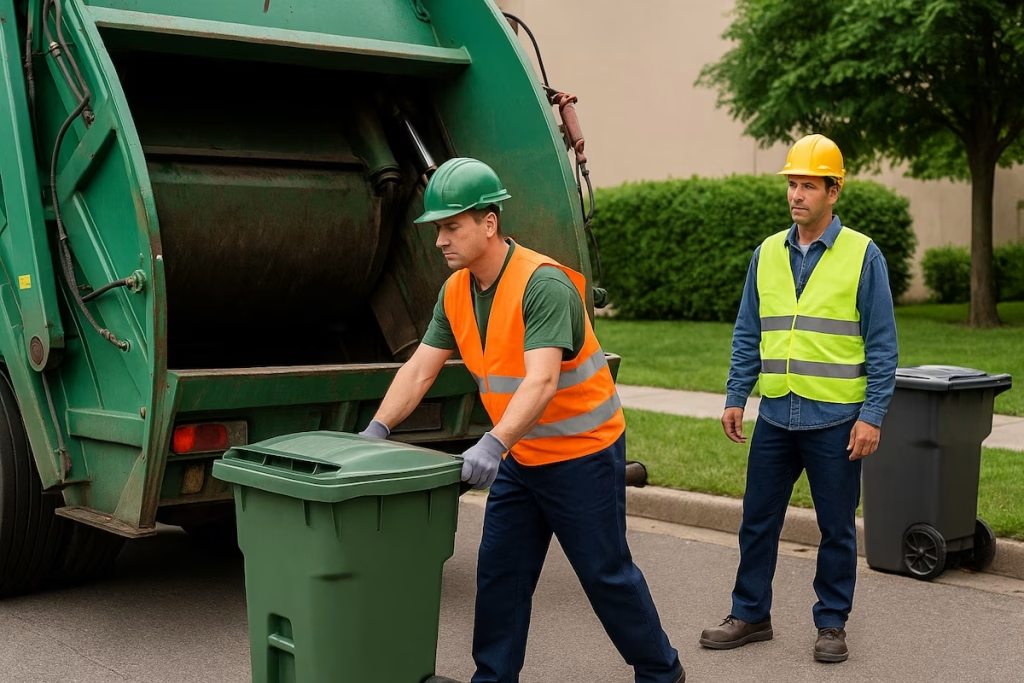
Choosing a reliable waste disposal partner is more than a checkbox — it’s a long-term investment in sustainability, safety, and operational excellence. By evaluating experience, transparency, and compliance, you ensure your business remains efficient, eco-friendly, and legally sound.
FAQs
Review your contract annually or whenever your waste output changes significantly.
Verify their licenses, customer reviews, pricing structure, and disposal methods.
Yes, all legal waste handlers must hold permits issued by local authorities.
Ask for documentation or receipts showing waste was delivered to approved facilities.
Absolutely. Even small companies save time and reduce risks by outsourcing waste management to professionals.