

This article is part of our Global Sustainability Case Studies series, which highlights how different regions manage construction waste, recycling systems, and large-scale cleanup practices in the building industry.
How Waste Impacts Project Cost & Deadlines
Introduction
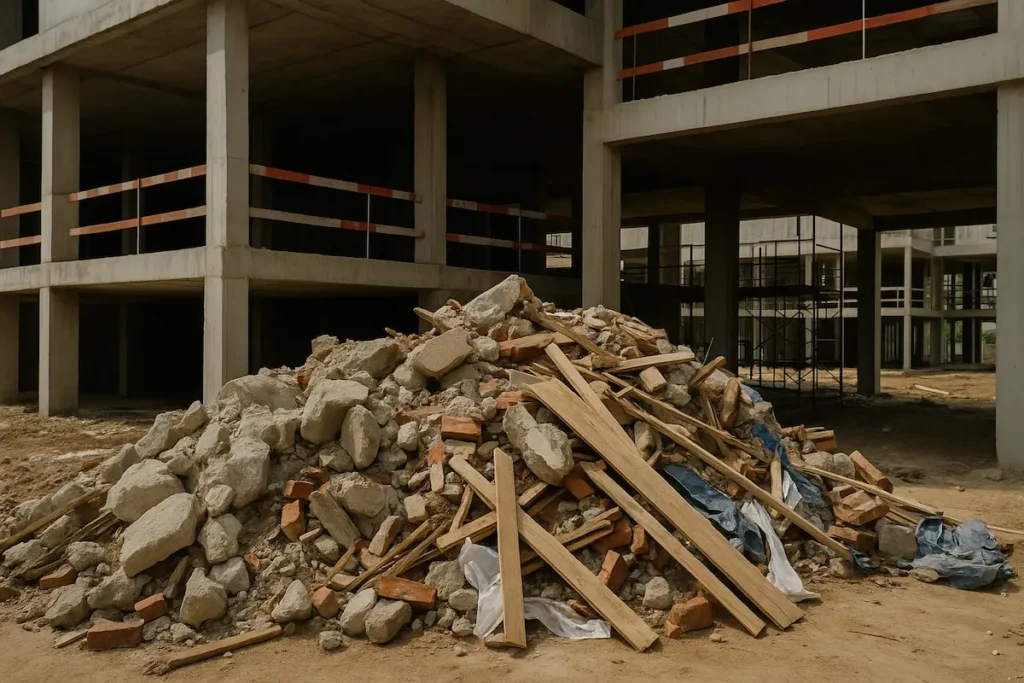
In construction, every nail, brick, and beam counts toward time and money. Yet, one of the biggest culprits behind budget blowouts and missed deadlines is often overlooked — waste. Construction waste doesn’t just sit in a bin; it silently drains resources, adds hidden costs, and delays completion. But how exactly does waste impact project cost and timelines? Let’s break it down.
Why Construction Waste Is More Than Just Trash
Many contractors see waste as an unavoidable part of building, but in reality, waste is a reflection of inefficiency. Every pile of unused materials, broken parts, or incorrect deliveries represents money lost and hours wasted.
Understanding Construction Waste
Common Types of Construction Waste
Construction waste can come in many forms, from leftover materials to debris created during demolition.
Concrete, Wood, and Metal
Concrete chunks, metal scraps, and wood offcuts are among the most common wastes. While they might seem harmless, they add up fast and take up valuable space on-site.
Packaging Materials and Plastics
Cardboard boxes, plastic wrapping, and pallets contribute to a massive volume of non-recyclable waste, especially when materials are ordered in bulk.
Hazardous Materials and Chemicals
Paints, adhesives, and solvents require special handling and disposal, often leading to extra cost and compliance paperwork.
For a deeper look at how construction waste is managed nationwide, you can read our detailed guide on Construction Waste Management in Malaysia.
Sources of Waste on Construction Sites
Poor Planning and Overordering
When teams order materials without accurate quantity takeoffs, it leads to surplus supplies that often go unused.
Design Changes and Rework
Client revisions and site modifications cause material wastage as previously completed work must be demolished and redone.
Material Damage and Handling Errors
Improper storage, rough handling, or exposure to weather can damage materials, forcing additional purchases.
The Hidden Cost of Construction Waste
Direct vs. Indirect Costs of Waste
Material Waste and Disposal Fees
Disposing of waste isn’t free. Transportation, landfill tipping fees, and bin rental all add to the final project cost.
Labour Time and Equipment Idle Hours
When waste clogs up the site, workers spend time clearing debris instead of building. Idle equipment waiting for clean-up or replacement materials means double loss.
How Waste Affects Profit Margins
Wasted materials eat into profit margins. If a project estimates a 10% margin but loses 3% to wasted resources, that’s a 30% reduction in expected profit.
Waste as a Sign of Inefficient Management
Excess waste often signals deeper issues in project coordination, supervision, or communication — all of which cost money.
Impact of Waste on Project Deadlines
Delays Due to Rework and Material Shortages
When materials are damaged or wasted, teams must reorder and wait, delaying project milestones.
Extended Site Occupancy and Scheduling Conflicts
Extra days on-site mean additional labour costs and potential penalties for late delivery.
The Domino Effect on Subcontractors and Suppliers
A delay in one trade’s work affects the next — electricians can’t install wiring if walls aren’t ready. Waste-related delays disrupt the whole chain.
Environmental and Legal Implications
Compliance Costs and Fines
In Malaysia and many other countries, improper waste disposal can lead to hefty fines or project suspension. Contractors must comply with waste regulations or face extra expenses.
Sustainability Requirements in Modern Construction
Many clients now expect sustainable practices. Poor waste management can affect bids, certifications (like Green Building Index), and brand reputation.
Strategies to Minimize Waste and Reduce Cost Overruns
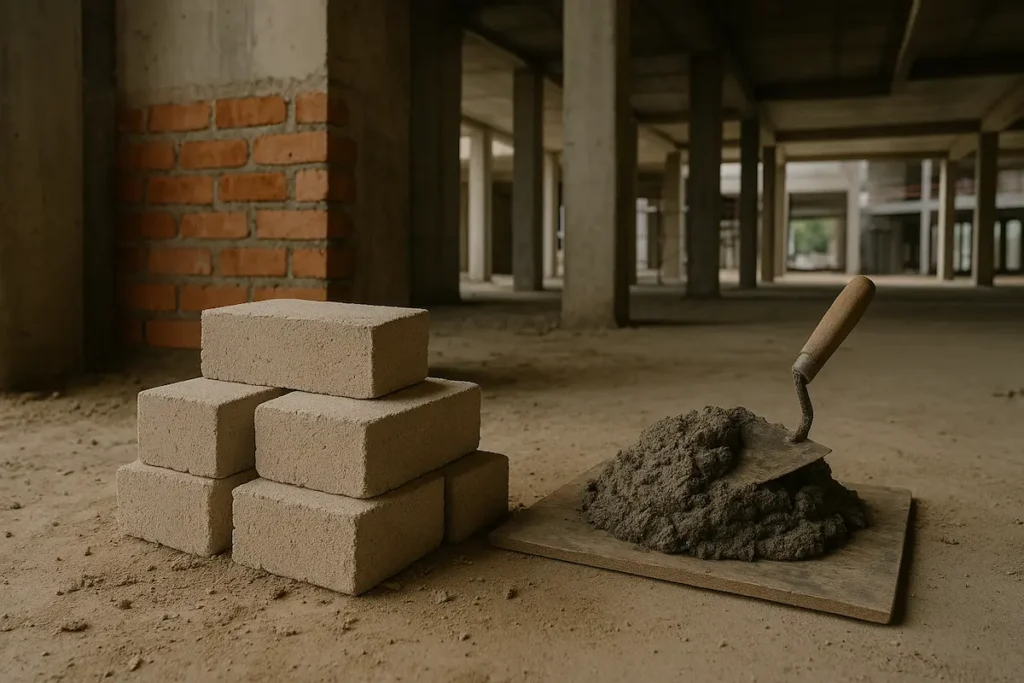
Efficient Material Planning and Procurement
Accurate measurements and digital inventory tracking reduce overordering and ensure every delivery serves a purpose.
Implementing a Waste Management Plan (WMP)
A structured Waste Management Plan helps monitor what’s discarded, how it’s disposed of, and what can be recycled — improving accountability.
Training Workers on Waste Reduction
Simple on-site training helps workers handle materials efficiently, separate recyclables, and minimize errors that lead to waste.
Partnering with Waste Disposal and Recycling Experts
Working with professional waste management companies ensures safe, timely disposal and potential cost savings through recycling.
Case Study: How Proper Waste Management Saved a Contractor Thousands
A medium-sized contractor in Selangor implemented a waste management plan with RORO bin rentals and on-site segregation. Within three months, they reduced landfill costs by 25%, recovered RM10,000 worth of recyclable metal, and completed the project a week ahead of schedule.
Conclusion
Waste may seem like a minor issue on a construction site, but its impact on cost and time is massive. Every piece of discarded material represents lost profit and progress. By managing waste efficiently — through better planning, training, and recycling partnerships — contractors can protect their margins, meet deadlines, and build more sustainably.
FAQs
On average, waste can account for 5–10% of total project costs, depending on project size and waste control measures.
Tools like SmartWaste, BuildSoft, or Excel-based waste tracking sheets help monitor quantities and costs effectively.
Yes, recycling reduces disposal fees and allows resale of materials like metal or concrete aggregates.
Small contractors can use smaller RORO bins, plan deliveries carefully, and work with local waste management partners.
Start with a simple waste management plan — identify waste sources, assign responsibilities, and track disposal regularly.