
This article is part of our Global Sustainability Case Studies series, which highlights how different regions manage construction waste, recycling systems, and large-scale cleanup practices in the building industry.
Integrating Waste Disposal into Your Project Timeline
Introduction to Waste Management in Construction Projects
When planning a construction project, many contractors focus on materials, manpower, and deadlines—but often overlook one critical aspect: waste disposal. Integrating waste disposal into your project timeline is not just a good practice; it’s essential for smooth workflow, safety, and cost efficiency.
Why Waste Disposal Planning Matters
Imagine a scenario where the project site is filled with debris, blocking access for equipment and workers. That’s what happens when waste disposal isn’t properly scheduled. Planning waste disposal from the beginning ensures that waste doesn’t slow down progress or inflate costs.
The Hidden Costs of Ignoring Waste Disposal
Delaying waste management often leads to expensive last-minute cleanups, wasted labor hours, and even fines for non-compliance. These hidden costs can easily erode project profit margins and damage a company’s reputation.
Understanding Construction Waste and Its Impact
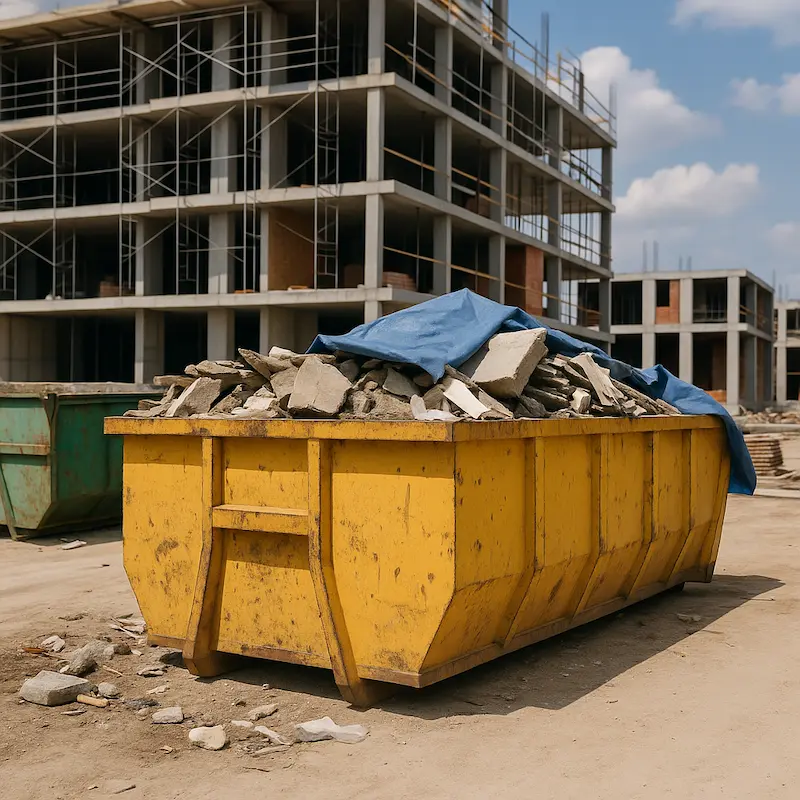
Common Types of Construction Waste
Construction sites generate a variety of waste, including concrete, timber, metal, drywall, glass, and packaging materials. Knowing what you’ll be dealing with helps in selecting the right disposal method and equipment.
Environmental and Financial Consequences of Poor Waste Handling
Improper disposal contributes to pollution and increases landfill waste. Financially, it means higher removal costs and potential penalties. A proactive waste plan minimizes environmental harm while keeping budgets under control.
The Role of Waste Disposal in Project Scheduling
Linking Waste Removal to Project Phases
Every stage of construction produces different types of waste. For example, demolition generates heavy debris, while finishing stages produce packaging and offcuts. Aligning disposal activities with each phase prevents overflow and clutter.
How Delays in Waste Disposal Affect Deadlines
If waste piles up, it can physically block work zones or create safety hazards that halt operations. A delayed waste pickup might also cause chain reactions—subcontractors can’t start until the area is cleared.
Examples of Waste-Related Delays in Real Projects
In one case, a residential project in Kuala Lumpur faced a two-week delay due to missed waste collection schedules. Workers couldn’t install flooring because debris from the previous phase was still on site.
Steps to Integrate Waste Disposal into Your Project Timeline
To improve your overall planning and coordination, you can also explore our complete guide on enhancing team productivity here: Contractor Workflow & Project Efficiency.
Step 1 – Conduct a Pre-Construction Waste Audit
Start by identifying potential waste sources. This helps you forecast volume and types of waste early, allowing you to plan disposal resources accordingly.
Step 2 – Estimate Waste Volume and Type
Accurate estimation helps prevent under- or over-scheduling of bins or trucks. Use past project data or consult your waste management partner for guidance.
Step 3 – Choose the Right Waste Disposal Partner
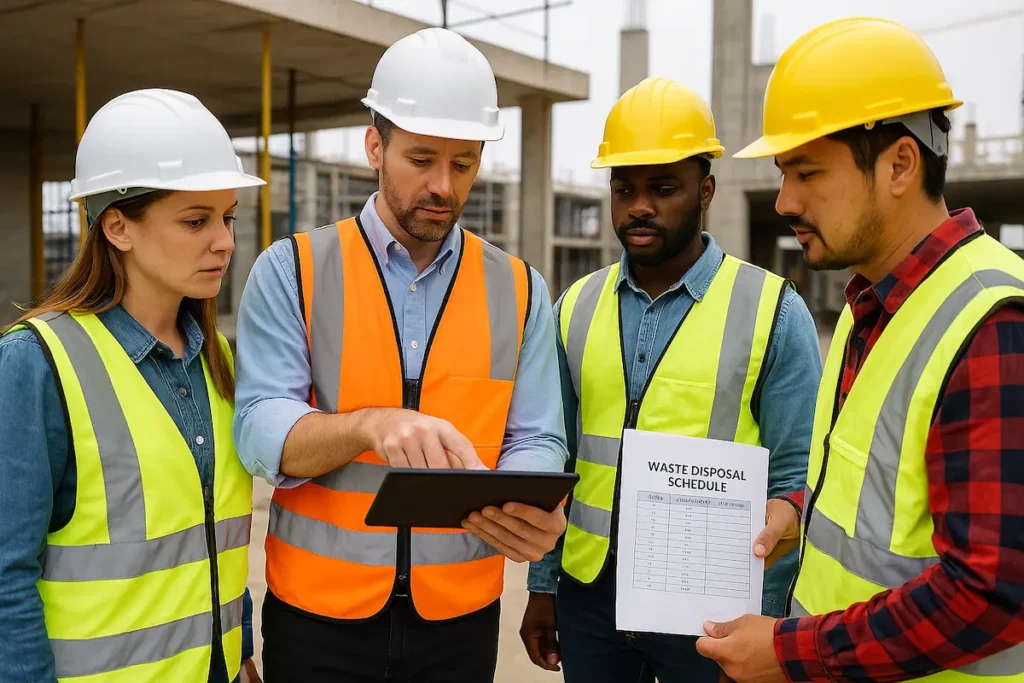
A reliable partner provides timely pickup, proper sorting, and recycling options. Look for companies with RORO bin services that can scale with your project size.
Step 4 – Schedule Regular Waste Collection
Plan pickups based on project milestones—after demolition, before new deliveries, and post-installation. Regular collection prevents clutter and keeps the site safe.
Step 5 – Track and Adjust Waste Disposal Activities
Monitor progress and adjust collection frequency if work accelerates or slows down. Flexibility ensures efficiency throughout the project.
Tools and Technology for Efficient Waste Scheduling
Using Project Management Software for Waste Coordination
Software like Asana, Trello, or Buildertrend helps track waste collection dates, notify team members, and avoid overlaps with other site activities.
The Role of Smart Bins and IoT in Modern Construction Sites
Some advanced bins use sensors to notify managers when they’re full. Integrating such technology can optimize pickup routes and timing.
Collaborating with Waste Management Companies
Benefits of Partnering Early with a Disposal Service
Early collaboration ensures your partner understands project phases, enabling smoother coordination. You also get access to professional advice on bin sizing and waste segregation.
Questions to Ask Before Hiring a Waste Disposal Partner
Ask about their recycling rates, collection flexibility, equipment availability, and compliance certifications. Reliable communication is as important as service quality.
Regulatory and Safety Considerations
Legal Requirements for Waste Disposal in Construction
Most local authorities require contractors to dispose of waste responsibly. Failing to comply can result in penalties, legal disputes, or even project suspension.
Worker Safety and On-Site Waste Handling Protocols
Ensure that workers follow safety rules, such as wearing PPE when handling debris or sharp materials. Clear pathways and signage reduce accident risks.
Cost Optimization Through Smart Waste Scheduling
Minimizing Idle Time and Transport Costs
Efficient scheduling means bins are filled and collected at the right time—reducing idle truck trips and unnecessary rental days.
Recycling and Reuse Strategies to Cut Disposal Fees
Materials like metal, wood, and concrete can be recycled or repurposed. This not only reduces disposal fees but also enhances your company’s sustainability profile.
Building a Sustainable Construction Process
Integrating Recycling Goals into Project Timelines
Incorporate recycling checkpoints into the timeline. For example, separate bins for different materials can make recycling faster and easier.
The Long-Term Benefits of Sustainable Waste Management
Sustainable waste strategies improve brand reputation, attract eco-conscious clients, and may even qualify you for green building certifications.
Common Mistakes to Avoid
Overlooking Waste Disposal During Project Planning
Failing to include waste management early often leads to delays and extra costs. Plan it alongside procurement and logistics.
Relying on Last-Minute Waste Solutions
Calling for emergency pickups is inefficient and expensive. Instead, plan for consistent removal throughout the project.
Conclusion
Integrating waste disposal into your project timeline is not just about cleanliness—it’s about efficiency, safety, and professionalism. By planning ahead, collaborating with reliable partners, and using technology, contractors can keep their projects on schedule and under budget while promoting sustainability.
FAQs
Ideally, during the pre-construction phase when you’re setting project milestones and logistics.
Uncollected waste can block work areas, create hazards, and halt progress until cleared.
Project management software like Buildertrend, Asana, and Trello can track timelines and coordinate waste pickups.
By recycling materials, reusing leftovers, and scheduling efficient bin usage to avoid extra rental fees.
It minimizes environmental impact, improves public perception, and aligns your project with modern eco-friendly standards.