
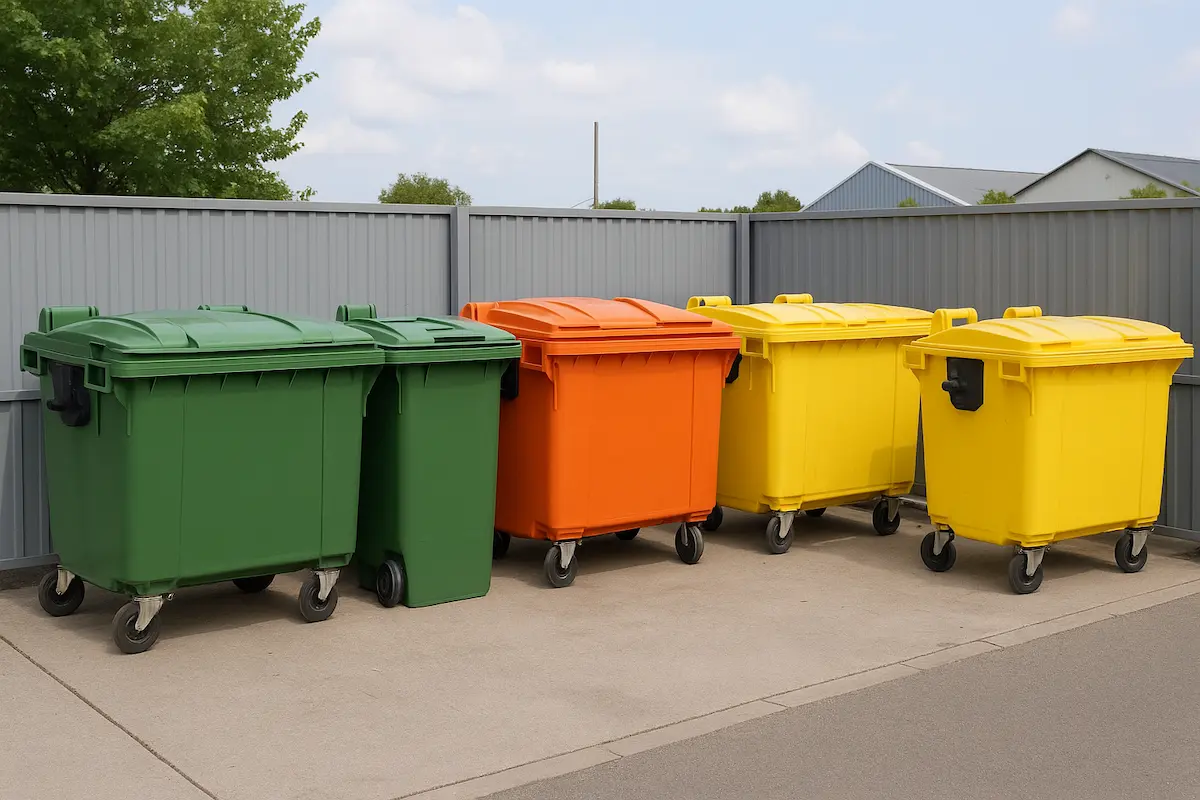
This article is part of our Global Sustainability Case Studies series, highlighting how Malaysia’s industrial sector manages waste responsibly through effective collection systems, recycling initiatives, and sustainable disposal practices that support long-term environmental goals.
Reducing Waste Transport Costs with Efficient Bin Management
Introduction – The Rising Cost of Waste Transport
Waste transport costs are rising faster than ever, driven by fuel prices, landfill charges, and labor expenses. For many businesses, this is becoming a hidden drain on profits. But there’s a smart way to fight back — efficient bin management. By managing your bins strategically, you can slash transport costs while keeping operations clean and compliant.
Understanding Waste Transport Costs
What Contributes to High Waste Transport Costs?
High transport costs come from multiple sources — fuel, truck maintenance, staff wages, and inefficient scheduling. When bins are collected too frequently or underfilled, you’re literally paying to move air. On the other hand, overflowing bins can lead to fines and extra pickups.
Why Efficient Bin Management Matters
Efficient bin management ensures waste is handled at the right time, with the right size of bin, and with minimal unnecessary trips. It’s not just about waste — it’s about optimizing your entire waste-handling workflow.
The Concept of Efficient Bin Management
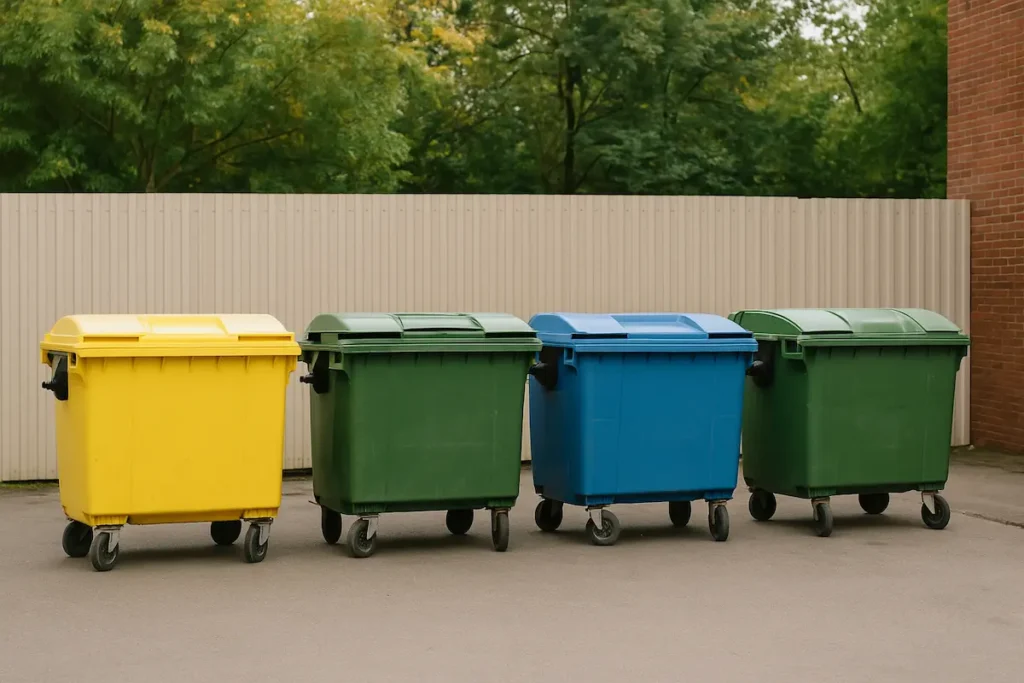
What Does “Efficient” Mean in Waste Collection?
Efficiency in bin management means getting the most waste transported per trip, reducing idle truck time, and minimizing unnecessary collections. It’s about striking the perfect balance between cleanliness and cost-efficiency.
How Bin Management Affects Transport Frequency
When bins are managed smartly — correctly sized, strategically placed, and collected based on real fill levels — transport frequency drops. Fewer trips mean lower fuel use, reduced emissions, and major cost savings.
Common Mistakes That Increase Transport Costs
Overfilled or Underused Bins
An overflowing bin might lead to emergency pickups, while half-empty bins waste transport space. Both extremes hurt your bottom line.
Poor Waste Segregation Practices
Mixing recyclables with general waste not only reduces recycling revenue but also fills bins faster, increasing pickup frequency.
Inefficient Route Planning and Pickup Schedules
Without proper route planning, trucks may travel longer distances unnecessarily — burning fuel and time.
Smart Strategies to Optimize Bin Usage
Right-Sizing Your Bins for Business Needs
Choosing the right bin size is crucial. Oversized bins cost more in rental fees, while undersized bins lead to overflows. Analyze your waste volume and adjust accordingly.
Setting Up Strategic Bin Placement
Bins should be placed near waste sources — not too close to high-traffic areas but easy enough for access during collection. Proper placement reduces time and labor during pickups.
Regular Maintenance and Monitoring
Bins need regular checks for damage, leaks, and contamination. A well-maintained bin lasts longer and keeps waste management costs predictable.
Leveraging Technology for Waste Management
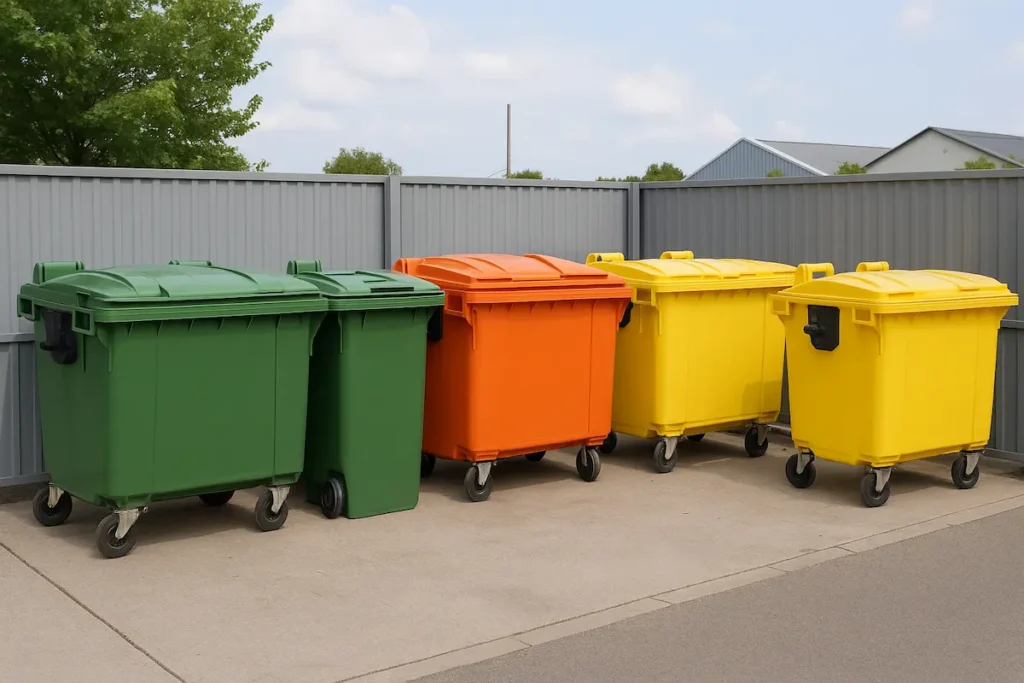
Efficient bin management isn’t just about choosing the right size — it’s also about choosing the right type of bin for your operational needs. Industries that generate bulky materials often rely on RORO bins to minimize collection trips and reduce transport costs. Explore the advantages in our detailed article: RORO Bin & Logistics Solutions for Industrial Waste.
Smart Bins with Sensors and Data Analytics
Smart bins equipped with sensors track fill levels and alert when near capacity. This allows waste companies to collect only when necessary — no more guessing.
GPS Tracking and Route Optimization Software
Using GPS and AI, waste collection companies can plan efficient routes, cutting down on travel time and fuel use.
Real-Time Fill Level Monitoring
Data-driven monitoring gives real-time visibility into which bins are full and which aren’t, reducing unnecessary trips and optimizing collection timing.
Reducing Transport Frequency Without Compromising Hygiene
Compacting Waste to Save Space
Waste compactors can reduce the volume of waste by up to 80%, meaning fewer pickups are needed. It’s a one-time investment that pays off quickly.
Scheduling Based on Actual Needs, Not Routine
Instead of following a rigid weekly schedule, businesses can shift to demand-based collection — saving both time and money.
The Role of Employee Training in Efficiency
Encouraging Proper Waste Segregation
Employees play a big part in bin efficiency. Teaching them to separate recyclables, organics, and general waste helps prevent overfilling and contamination.
Creating Accountability and Monitoring Results
Assigning waste management responsibilities ensures bins are used correctly and inefficiencies are identified quickly.
Case Studies of Cost Reduction Through Efficient Bin Management
Manufacturing Facility Example
A manufacturing plant reduced its transport costs by 25% after introducing smart bins and compactors. They moved from daily pickups to biweekly collections — saving thousands monthly.
Commercial Office Building Example
An office complex improved its bin system by right-sizing and relocating bins closer to major waste points. The result? Fewer pickups and a cleaner environment.
Environmental and Financial Benefits
Reduced Fuel Consumption and Carbon Footprint
Every avoided truck trip cuts fuel use and emissions. Efficient bin management helps businesses meet sustainability goals while saving money.
Long-Term Savings and Operational Efficiency
The savings from reduced pickups, less maintenance, and fewer penalties compound over time — improving overall operational efficiency.
Partnering with a Reliable Waste Management Provider
How to Choose the Right Partner
Select a provider that offers data-driven waste tracking, flexible pickup schedules, and transparent pricing. Ask about their use of smart technologies.
Questions to Ask Before Signing a Contract
- Do they offer sensor-based bin systems?
- How often can schedules be adjusted?
- What reporting or analytics are available?
Conclusion – Turning Waste Management into a Cost-Saving Asset
Reducing waste transport costs isn’t about cutting corners — it’s about managing smarter. Through efficient bin management, technology adoption, and employee awareness, you can transform waste from an expense into an advantage.
FAQs
Only when they’re near capacity — smart sensors can help determine the right timing.
Compactor bins are ideal for large-scale waste because they reduce transport frequency.
Absolutely! Even small offices can save by right-sizing bins and optimizing pickup schedules.
Proper segregation prevents bins from filling up too fast and helps reduce unnecessary pickups.
The future lies in data-driven collection — AI, sensors, and route optimization will dominate waste logistics.