
This article is part of our Global Sustainability Case Studies series, highlighting how Malaysia’s industrial sector manages waste responsibly through effective collection systems, recycling initiatives, and sustainable disposal practices that support long-term environmental goals.
Understanding Industrial Waste Categories (Scheduled, Non-Scheduled & Hazardous)
Introduction to Industrial Waste
Industrial waste plays a massive role in how industries impact the environment. Every manufacturing plant, processing facility, and industrial site produces waste — some harmless, others potentially dangerous. Understanding how these wastes are categorized is vital for compliance, safety, and sustainability. To explore how Malaysian industries handle these waste types responsibly, read our full guide on Industrial Waste Management in Malaysia.
What is Industrial Waste?
Definition and Overview
Industrial waste refers to any unwanted materials or by-products generated during industrial activities. These can include solid, liquid, or gaseous materials that are no longer useful in the production process.
Sources of Industrial Waste
Common sources include manufacturing plants, construction sites, chemical factories, and refineries. Even small-scale workshops contribute to industrial waste through used oils, solvents, and packaging residues.
Importance of Waste Categorization
Why Waste Classification Matters for Businesses
Proper classification isn’t just about organization — it’s about compliance. Categorizing waste correctly ensures that it’s treated, stored, and disposed of according to law, protecting both people and the environment.
Role in Environmental Compliance and Safety
Categorization allows companies to identify hazardous substances early, apply correct disposal methods, and reduce the risk of contamination or penalties from authorities.
Main Categories of Industrial Waste
Overview of the Three Key Types
Industrial waste typically falls into three main categories: scheduled waste, non-scheduled waste, and hazardous waste. Each requires different handling procedures and legal compliance measures.
Scheduled Waste
This type is regulated under the Environmental Quality (Scheduled Wastes) Regulations 2005. It includes waste containing toxic, flammable, corrosive, or reactive substances.
Non-Scheduled Waste
These are wastes that don’t fall under the scheduled list — usually less harmful and more recyclable.
Hazardous Waste
Hazardous waste poses significant risks to human health or the environment and requires specialized management procedures.
Scheduled Waste Explained
Definition under Malaysian Regulations
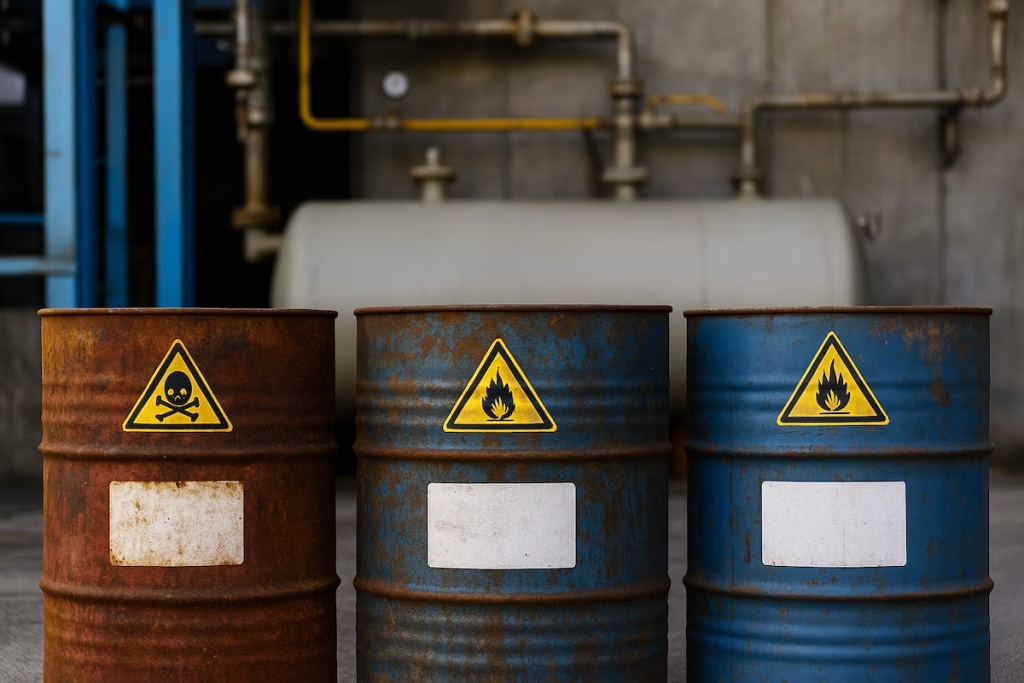
Scheduled waste is any waste listed under the First Schedule of the Environmental Quality (Scheduled Wastes) Regulations 2005, identified with codes like SW 101 to SW 422.
Common Types of Scheduled Waste
Chemical Waste (SW 322, SW 311, etc.)
These include acids, alkalis, and contaminated chemical residues.
Oil and Grease Waste
Used lubricants, engine oils, and oil-contaminated rags fall into this category.
E-Waste and Battery Waste
Batteries, old electronics, and circuit boards contain heavy metals that can leach into soil or water.
How Scheduled Waste is Managed
Labeling, Storage, and Disposal Procedures
Companies must label containers clearly with waste codes, store them safely in designated areas, and send them to licensed treatment facilities.
Documentation and Reporting Requirements
Each movement of scheduled waste must be recorded using a Consignment Note System, ensuring traceability from source to disposal.
Non-Scheduled Waste Explained
What Qualifies as Non-Scheduled Waste?
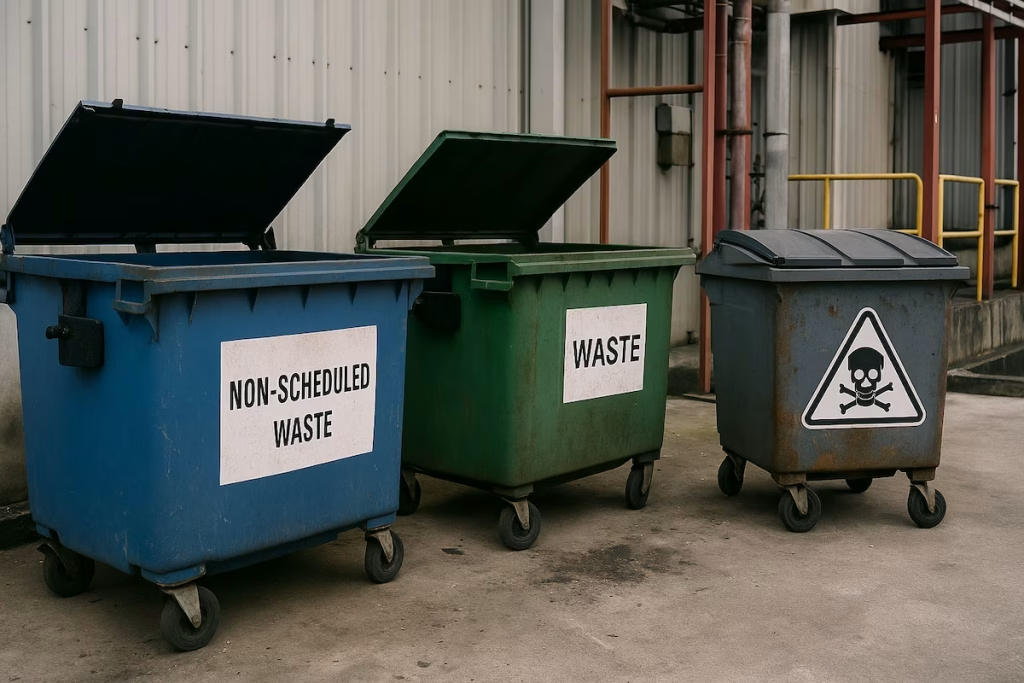
Non-scheduled waste is general industrial waste not listed in the scheduled waste regulation. These are usually inert or non-toxic materials.
Examples of Non-Scheduled Industrial Waste
Metal Scraps and Packaging Materials
Leftover metals, paper, or plastic packaging from manufacturing lines.
Construction Debris and Recyclable Waste
Concrete chunks, sand, and wood that can be repurposed or recycled.
Handling and Recycling Practices
Most non-scheduled waste can be reused or recycled. Implementing separation at the source helps maximize recycling potential and minimize landfill use.
Hazardous Waste Explained
What Makes Waste “Hazardous”?
Hazardous waste contains properties like toxicity, flammability, reactivity, or corrosiveness that pose danger to humans or ecosystems.
Common Types of Hazardous Waste
Corrosive, Reactive, and Toxic Waste
Acidic or alkaline waste that corrodes metal or releases dangerous gases.
Flammable and Infectious Waste
Materials that catch fire easily or spread disease, such as solvent residues or contaminated rags.
Health and Environmental Risks of Improper Disposal
Improper disposal can lead to soil contamination, groundwater pollution, or air toxicity, affecting both local communities and ecosystems.
Regulatory Framework for Industrial Waste Management in Malaysia
SWCorp and DOE Guidelines
In Malaysia, the Department of Environment (DOE) and Solid Waste Management and Public Cleansing Corporation (SWCorp) oversee industrial waste management policies.
Environmental Quality (Scheduled Wastes) Regulations 2005
This regulation outlines responsibilities, licensing, labeling, and reporting for all scheduled waste generators.
Penalties for Non-Compliance
Businesses that mishandle waste may face fines up to RM100,000 or imprisonment under the Environmental Quality Act.
Best Practices for Managing Each Waste Category
Proper Segregation Techniques
Always separate waste based on type and hazard level to prevent cross-contamination.
Documentation and Record-Keeping
Maintain proper waste tracking logs, including types, quantities, and disposal dates.
Working with Licensed Waste Contractors
Only work with DOE-licensed waste collectors to ensure compliance and safe handling.
The Role of Waste Audits and Inspections
How Audits Help Improve Efficiency and Compliance
Regular audits identify inefficiencies and ensure regulatory compliance, helping businesses cut waste generation.
Reducing Disposal Costs Through Audits
By tracking waste output, companies can reduce disposal fees through better recycling and waste minimization strategies.
Sustainable Waste Management Approaches
Recycling and Reuse Opportunities
Encourage material recovery from scrap metal, plastics, and glass to create a circular waste economy.
Using Technology for Waste Tracking and Monitoring
Modern systems like digital consignment tracking ensure transparency from waste creation to disposal.
Case Studies in Effective Industrial Waste Management
Manufacturing Sector Example
A factory using a proper segregation system reduced its landfill waste by 40% and improved recycling efficiency.
Oil & Gas Sector Example
Through scheduled waste audits and safe chemical handling, an oil refinery achieved DOE compliance and minimized spills.
Conclusion
Understanding industrial waste categories is more than just compliance—it’s about protecting the environment and optimizing operations. Businesses that correctly identify and manage their waste not only stay legally safe but also enhance their sustainability image and operational efficiency.
FAQs
Scheduled waste is regulated by law due to its hazardous properties, while non-scheduled waste includes general industrial by-products that are less harmful.
Check if the material is toxic, flammable, corrosive, or reactive. You can also refer to the DOE’s scheduled waste list.
Yes, materials like metal, plastic, or paper can often be reused or recycled to reduce disposal costs.
The Department of Environment (DOE) and SWCorp oversee compliance with the Environmental Quality Act and waste management regulations.
Businesses may face fines up to RM100,000 or imprisonment for failing to comply with DOE regulations on waste management.