
This article is part of our Global Sustainability Case Studies series, showcasing how Malaysia is advancing sustainable waste management through effective recycling systems, circular economy initiatives, and responsible disposal practices that align with long-term environmental and climate goals.
Zero-Waste Home & Lifestyle in Malaysia: A Complete Guide to Sustainable Living
Introduction to the Zero-Waste Movement
In a world where plastic pollution and landfill overflow are everyday realities, the zero-waste movement stands as a call to action. It’s not just a lifestyle—it’s a mindset. For Malaysians, this movement represents a chance to reduce environmental harm and embrace more mindful, sustainable living.
What Does “Zero-Waste” Really Mean?
Zero-waste doesn’t mean producing absolutely no waste—it means minimizing waste as much as possible. The idea is to redesign our habits so materials are reused, recycled, or composted instead of ending up in landfills. Think of it as “waste prevention” rather than “waste management.”
Why Zero-Waste Matters in Malaysia Today
Malaysia generates over 38,000 tonnes of waste daily, with much of it ending up in open dumpsites. The impact is visible: clogged drains, polluted rivers, and increasing greenhouse gases. Transitioning toward a zero-waste lifestyle can help reverse these effects, one household at a time.
The Environmental Context in Malaysia
Waste Generation Trends in Malaysia
According to the Solid Waste and Public Cleansing Management Corporation (SWCorp), only about 25–30% of Malaysian waste is recycled. The rest is either incinerated or dumped, leading to long-term environmental issues.
Government Initiatives Towards Waste Reduction
Malaysia’s National Solid Waste Management Policy encourages recycling, composting, and waste segregation at source. Some cities like Penang and Shah Alam are already taking progressive steps toward becoming “Zero Waste Cities.”
Public Awareness and Cultural Shifts
Thanks to social media and community initiatives, Malaysians are becoming more conscious of their environmental footprint. Influencers, NGOs, and small businesses are inspiring people to live greener and smarter.
The Core Principles of a Zero-Waste Lifestyle
The 5R Framework: Refuse, Reduce, Reuse, Recycle, Rot
At the heart of zero-waste living are the five R’s. Let’s break them down:
Refuse What You Don’t Need
Say no to unnecessary freebies, plastic straws, and flyers. Every small refusal counts.
Reduce Single-Use Consumption
Buy less, choose quality over quantity, and opt for multipurpose products.
Reuse and Repair Instead of Replacing
Before tossing something, ask—can it be fixed or repurposed?
Recycle Responsibly
Only recycle what’s truly recyclable in Malaysia’s system. Learn your local recycling rules.
Rot – Composting Organic Waste
Turn food scraps into compost instead of adding to the landfill.
How to Start a Zero-Waste Home in Malaysia
Step 1 – Conduct a Waste Audit at Home
Observe what you throw away most often—food, packaging, or paper. This will guide your swaps.
Step 2 – Switch to Sustainable Household Products
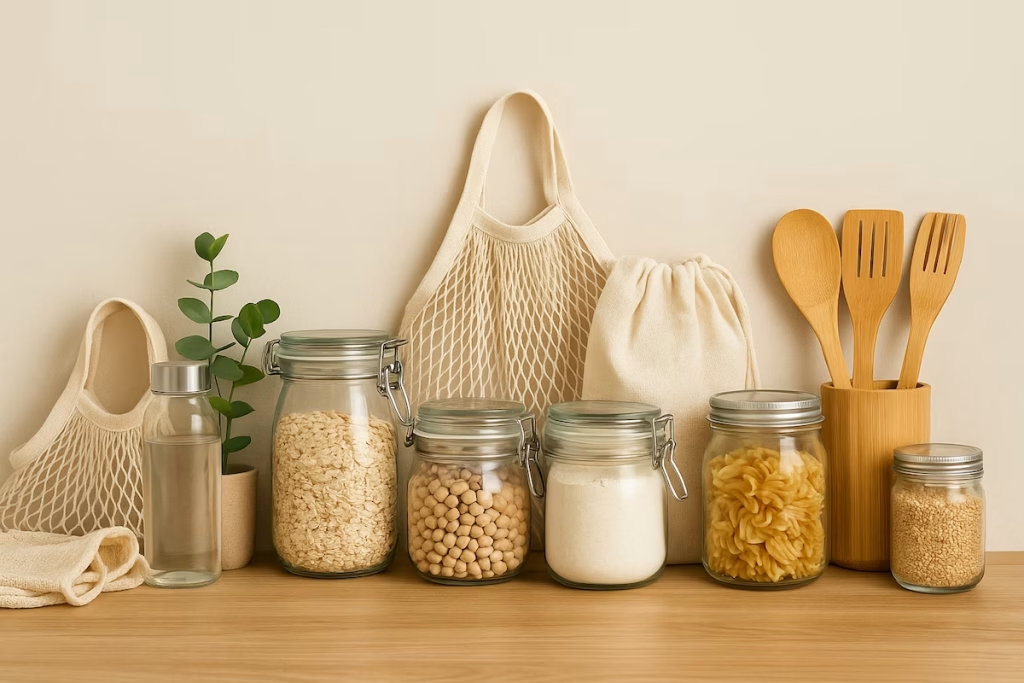
Replace disposable items with reusables: metal straws, cloth bags, beeswax wraps, and glass containers.
Step 3 – Buy in Bulk or Refill Stations
Refill stores like The Hive Bulk Foods and NUDE KL let you bring your own containers—no packaging waste involved.
Step 4 – Manage Kitchen Waste Effectively
Separate organic waste for composting and recycle clean plastics or glass.
Step 5 – Choose Eco-Friendly Packaging and Storage
Use stainless steel lunch boxes, glass jars, and silicone bags instead of plastic ones.
A modern Malaysian kitchen embracing the zero-waste lifestyle with reusable containers and eco-friendly essentials.
Everyday Zero-Waste Habits That Make a Difference
Sustainable Grocery Shopping
Shop at local wet markets or farmers’ markets where produce is often unpackaged and fresher.
Reducing Food Waste at Home
Plan meals, store leftovers properly, and repurpose scraps into new dishes or compost.
Smart Water and Energy Use
Switch to LED bulbs, unplug devices when not in use, and harvest rainwater for plants.
Low-Waste Personal Care and Cleaning Products
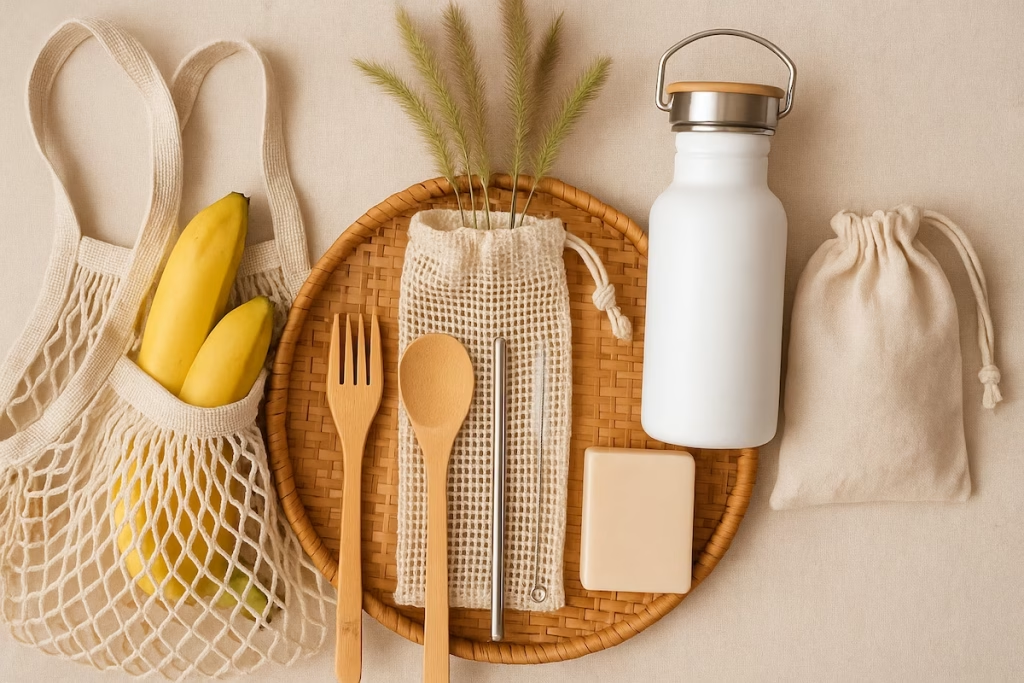
Opt for bar soaps, shampoo bars, and DIY cleaners made from vinegar and baking soda.
Everyday zero-waste essentials used in Malaysian households to reduce plastic waste and promote sustainability.
Composting at Home – Turning Waste into Resource
Why Composting Matters in Urban Malaysia
Food waste makes up nearly 45% of Malaysia’s landfill content. Composting reduces methane emissions and enriches soil naturally.
Simple Ways to Start Composting in Apartments or Houses
Use bokashi bins or compact composters for small spaces. For landed homes, a basic compost pit works perfectly.
Zero-Waste Lifestyle Beyond the Home
Zero-Waste at Work or School
Bring your own bottle, cutlery, and lunchbox. Encourage recycling initiatives in your workplace or school.
Sustainable Travel and Commuting Options
Choose public transport, carpooling, or cycling to reduce carbon emissions.
Minimalist and Conscious Fashion Choices
Buy second-hand, support ethical brands, and donate clothes you no longer wear.
Where to Shop Zero-Waste in Malaysia
Popular Zero-Waste Stores in Kuala Lumpur & Selangor
- The Hive Bulk Foods
- NUDE: The Zero Waste Store
- Seedy Zero Waste Store
Online Zero-Waste Brands and Local Startups
Check out platforms like Green Hero and The Mineraw for sustainable online shopping.
How to Support Local Eco-Businesses
Choose Malaysian-made eco products and share about them online to help small businesses grow.
Challenges Malaysians Face in Going Zero-Waste
Common Misconceptions About Zero-Waste Living
Many believe it’s expensive or time-consuming—but it’s about being mindful, not perfect.
Accessibility and Cost Barriers
In some areas, refill stores or composting facilities aren’t accessible yet.
How to Stay Consistent and Motivated
Start small. Celebrate small wins. Join local eco groups for support and accountability.
The Future of Zero-Waste Living in Malaysia
Innovations and Green Technologies
From biodegradable packaging to solar-powered recycling systems, the innovation scene in Malaysia is growing fast.
Community Movements and Awareness Campaigns
Events like “Trash Hero Cleanups” and “Zero Waste Malaysia” workshops are changing mindsets and inspiring collective action.
Conclusion: Every Small Change Counts
Zero-waste living in Malaysia isn’t about perfection—it’s about progress. Each reusable cup, compost bin, and sustainable habit adds up to real change. Start where you are, use what you have, and do what you can. Together, Malaysians can lead the region toward a cleaner, greener future. 🌿
FAQs
Not necessarily. You save money in the long run by buying less and reusing more.
Absolutely! Small steps like composting in bokashi bins and using reusable items work even in limited spaces.
Reusable water bottles, cloth bags, and bar soaps are great first steps.
Make it fun—teach kids about recycling, let them decorate reusable jars, or involve them in composting.
Follow groups like Zero Waste Malaysia or join eco events hosted by Trash Hero Malaysia and The Hive KL.