
How to Reduce Water Usage During Heat Waves
When heat waves hit, water becomes one of the most precious resources. Between dry lawns, thirsty gardens, and constant showers to stay cool, it’s easy to waste gallons without realizing it. Let’s break down practical, simple, and smart ways to reduce your water usage — without sacrificing comfort or hygiene.
Understanding the Importance of Water Conservation During Heat Waves
Why Heat Waves Increase Water Demand
During heat waves, temperatures soar, and evaporation rates skyrocket. Plants, soil, and people all need more hydration. As a result, water demand spikes — not just for drinking, but also for cooling systems, cleaning, and landscaping. Unfortunately, this surge often drains local water reserves and stresses municipal systems.
The Environmental and Economic Impact of Overusing Water
When we overuse water during extreme heat, it’s not just our bills that rise — ecosystems suffer. Overdrawing from reservoirs or groundwater can lead to drought conditions, lower crop yields, and loss of biodiversity. On the household level, higher water bills can add unnecessary financial strain during already tough seasons.
Assessing Your Home’s Water Consumption
Identifying Hidden Leaks and Inefficiencies
Start by checking your plumbing. Even a tiny leak can waste hundreds of liters per week. Inspect faucets, toilets, and outdoor hoses. If you notice unexplained water bills, it might be time for a professional inspection.
Using Smart Meters and Water Tracking Apps
Modern smart meters and apps can help track daily water usage in real time. These tools make it easier to identify peak usage hours and habits that waste the most water — allowing you to make quick, data-backed adjustments.
Outdoor Water-Saving Strategies
Watering Your Garden Efficiently
Early Morning or Late Evening Watering
Watering during midday heat causes quick evaporation. Instead, water your plants early in the morning or late in the evening when temperatures are cooler and absorption is more efficient.
Using Drip Irrigation and Mulch
A drip irrigation system delivers water directly to plant roots, minimizing waste. Adding mulch around your garden helps retain soil moisture and reduces the need for frequent watering.
Choosing Drought-Resistant Plants
Opt for native or drought-tolerant plants like lavender, rosemary, or succulents. These species naturally thrive in dry climates and require far less watering than exotic varieties.
Lawn Alternatives for Hot Climates
Consider replacing grass with gravel, clover, or artificial turf. Lawns are major water consumers — cutting them out can reduce outdoor water use by up to 50%.
Indoor Water-Saving Habits
Shorter Showers and Low-Flow Fixtures
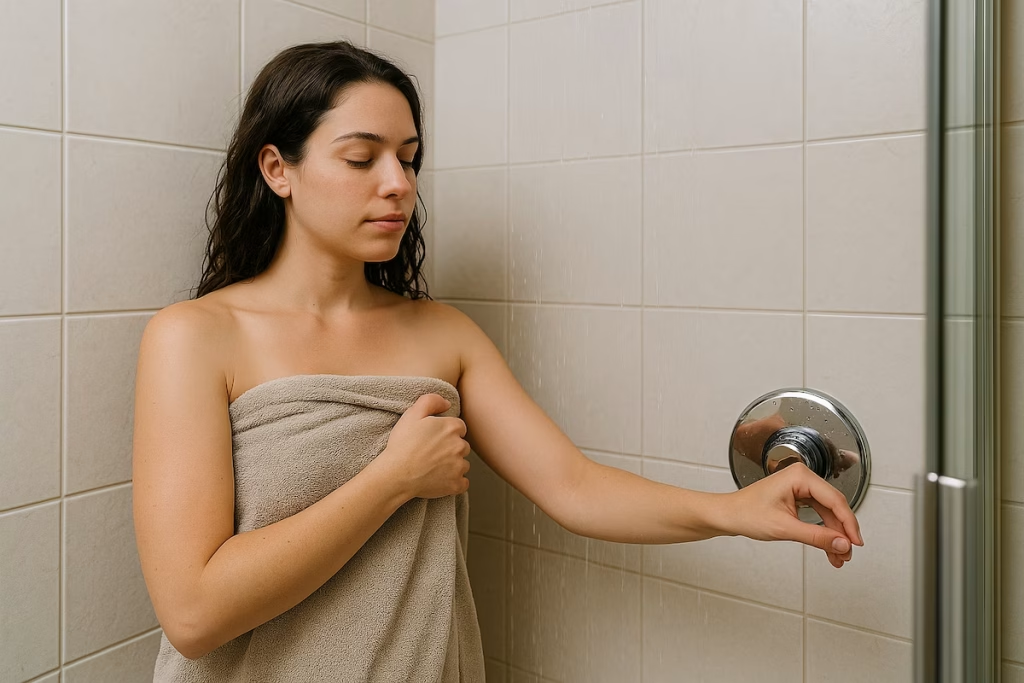
A quick 5-minute shower can save hundreds of liters each month. Combine that with low-flow showerheads and faucets to maintain comfort while drastically reducing consumption.
Reusing Greywater for Cleaning or Gardening
Water from sinks, showers, or laundry can be filtered and reused to clean outdoor areas or water non-edible plants. Always follow local guidelines to ensure safety. Reusing greywater is one of the most effective water conservation practices, especially during heat waves, because it allows you to reduce fresh water demand while still maintaining essential household routines.
Turning Off Taps While Brushing or Washing Dishes
This simple habit can save up to 8 liters of water per minute. It may sound small, but multiplied over days and weeks, it adds up fast.
Water-Efficient Appliances and Fixtures
Upgrading to WaterSense-Certified Devices
Appliances like washing machines, dishwashers, and toilets with WaterSense certification use up to 30% less water without losing performance. It’s an upfront investment that pays off over time.
Fixing or Replacing Old Toilets and Faucets
Older fixtures often leak or use excessive amounts of water per flush. Consider upgrading to dual-flush toilets and motion-sensor taps for maximum efficiency.
Collecting and Storing Rainwater
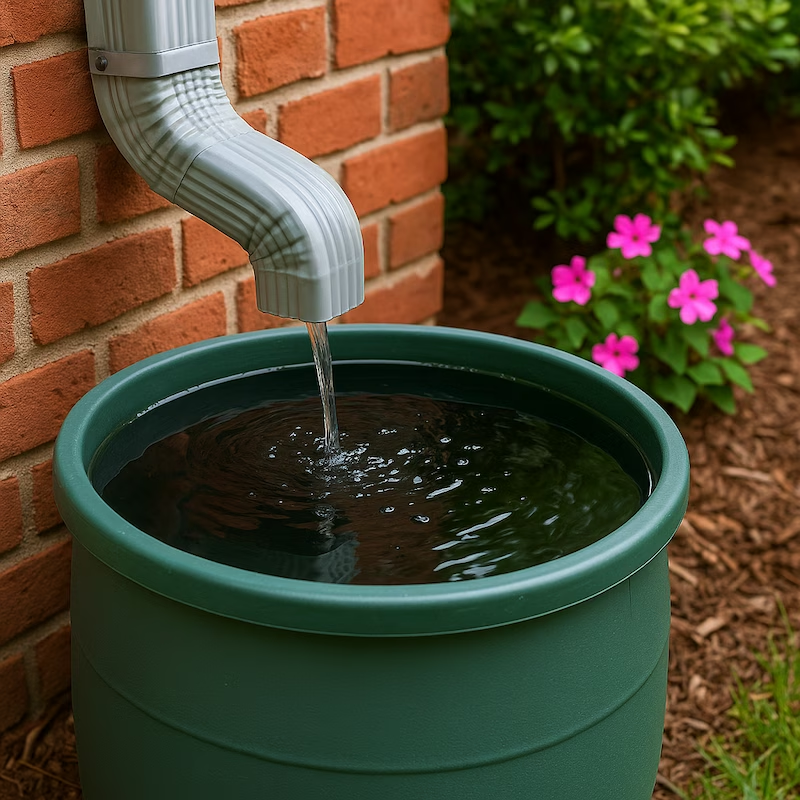
Installing Rain Barrels or Cisterns
Collect rainwater from your roof gutters using barrels or underground cisterns. This stored water can later be used for outdoor cleaning or irrigation.
Using Collected Water for Outdoor Cleaning or Plants
Instead of turning on the hose, use collected rainwater for washing your car, patio, or watering your garden.
Community and Lifestyle Changes for Long-Term Impact
Joining Local Water-Saving Initiatives
Many communities run programs that provide free audits, rebates for water-efficient appliances, or shared garden irrigation systems.
Educating Family and Neighbors About Water Awareness
Small conversations lead to big change. Share tips, post reminders, or set collective goals with your community to build lasting habits. For readers interested in how other countries promote sustainable waste habits within their communities, you can also explore Portugal’s Ecoponto recycling system, which shows how color-coded bins make recycling easier and more efficient.
Supporting Policies That Promote Water Efficiency
Vote for and support local initiatives that encourage responsible water use — such as improved infrastructure or drought-resistant landscaping rules.
Sustainable Alternatives During Extreme Heat
Cooling Without Excessive Water Use
Shade, Fans, and Insulation Over Sprinklers
Create natural shade with awnings or trees, and improve insulation to keep your home cooler. Use ceiling fans instead of water-based misters whenever possible.
Avoiding Overuse of Evaporative Coolers
While effective, evaporative (swamp) coolers consume large amounts of water. Use them only when necessary and maintain them regularly to prevent waste.
Emergency Preparedness During Water Shortages
Storing Safe Drinking Water
Keep at least 3–4 liters of clean water per person per day stored during extreme heat events. This ensures you have enough during potential supply disruptions.
Prioritizing Water Use for Essential Needs
When water is scarce, prioritize drinking, cooking, and hygiene first. Delay non-essential activities like washing cars or watering lawns.
Conclusion
Water is one of our most vital yet vulnerable resources. Heat waves remind us just how precious every drop is. By combining mindful habits, smart technology, and sustainable landscaping, you can make a big difference — not just for your wallet, but for the planet. Every small change adds up, especially when millions do it together.
FAQs
Fix leaks, use low-flow fixtures, take shorter showers, and avoid running taps unnecessarily.
Use mulch, water in the morning or evening, and choose drought-resistant species.
Many are affordable and offer long-term savings on water bills, often paying for themselves within months.
Yes, if filtered properly and used for non-edible plants or cleaning. Always follow local regulations.
By organizing workshops, providing rebates, and sharing resources on efficient water use.